
Crypto Coinosity

Cryptocurrency information

Author: Wallace Davis

Where do cryptocurrencies derive their value from?

Cryptocurrencies are digital or virtual currencies that use cryptography to secure and verify transactions, as well as to control the creation of new units. While cryptocurrencies have gained significant popularity in recent years, many people are still unclear about where cryptocurrencies derive their value from. In this article, we will explore the factors that contribute to the value of cryptocurrencies, and provide a comprehensive guide to understanding the underlying principles of cryptocurrency value.

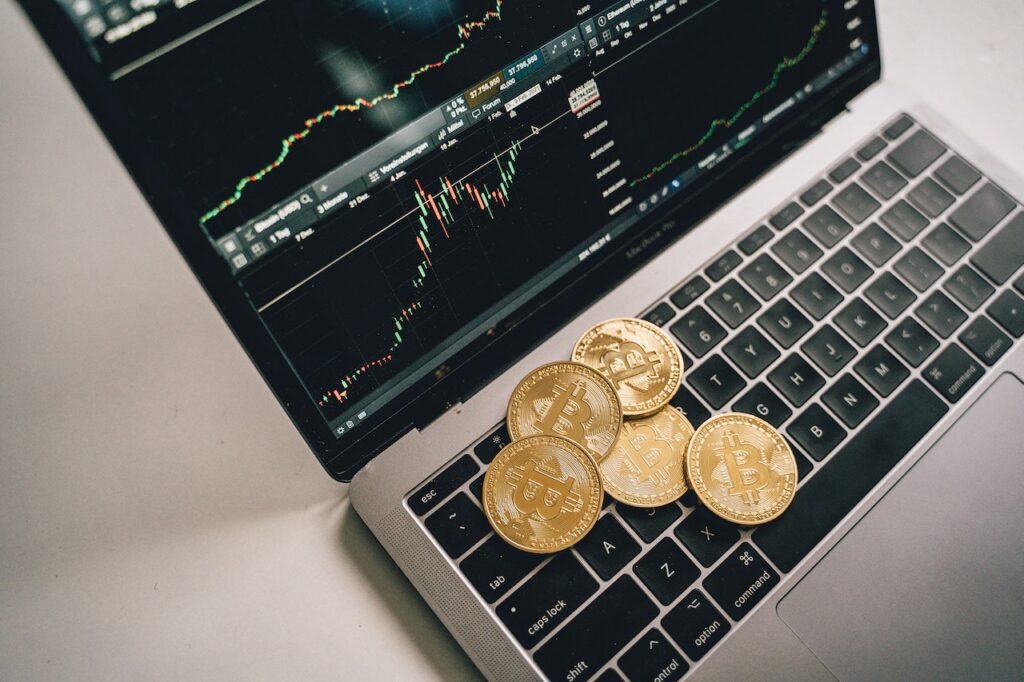
Image by: RODNAE Productions

Utility: One of the key factors that contribute to the value of cryptocurrencies is their utility. Cryptocurrencies can be used as a medium of exchange, store of value, and unit of account, much like traditional fiat currencies. The more useful and practical a cryptocurrency is, the more valuable it is likely to be.

Scarcity: Another factor that contributes to the value of cryptocurrencies is scarcity. Cryptocurrencies are often designed with a limited supply, which can create scarcity and increase demand. For example, Bitcoin has a maximum supply of 21 million, which means that once all the bitcoins have been mined, there will be no more new bitcoins created.

Network Effect: The network effect is another key factor that contributes to the value of cryptocurrencies. The network effect refers to the value that is added to a network as more people join and use it. In the case of cryptocurrencies, the more people that use and accept a particular cryptocurrency, the more valuable it becomes.

Adoption: The adoption of cryptocurrencies by businesses, consumers, and institutions is another key factor that contributes to their value. As more people use and accept cryptocurrencies, they become more legitimate and widely accepted, which can increase their value and utility.

Technology: The underlying technology that powers cryptocurrencies, such as blockchain, is another factor that contributes to their value. Cryptocurrencies that use innovative and secure technologies are more likely to be valued and trusted by users, which can increase their value and adoption.

Regulatory Environment: The regulatory environment for cryptocurrencies is also an important factor that contributes to their value. Cryptocurrencies that operate in a clear and stable regulatory environment are more likely to be trusted and adopted by users, which can increase their value.

Market Sentiment: Market sentiment is another factor that can have a significant impact on the value of cryptocurrencies. Market sentiment refers to the overall mood and attitude of market participants, and can be influenced by a range of factors, including news and events, market trends, and investor sentiment.

It is also worth noting that the value of cryptocurrencies is not tied to any underlying assets or commodities, such as gold or oil, and is not backed by any central authority or government. This means that the value of cryptocurrencies is determined solely by market forces, such as supply and demand.

Another important consideration is the decentralization of cryptocurrencies. Unlike traditional fiat currencies, which are controlled by central banks, cryptocurrencies are decentralized and operate on a peer-to-peer network. This means that there is no central authority that controls the supply and value of cryptocurrencies, which can make them more resistant to manipulation and censorship.

However, decentralization also means that there is no central authority that can guarantee the stability and security of cryptocurrencies. This can make them more susceptible to market volatility and fraud, and can make it more difficult to regulate and control their use.

It is also important to consider the impact of government regulations on the value of cryptocurrencies. Governments around the world have begun to take notice of cryptocurrencies and are starting to implement regulations to control their use. These regulations can have a significant impact on the value of cryptocurrencies, both positively and negatively, depending on the nature and scope of the regulations.

For example, regulations that provide clarity and stability to the cryptocurrency market can increase the confidence and trust of investors, which can lead to increased adoption and value. On the other hand, regulations that are overly restrictive or that limit the use and adoption of cryptocurrencies can have a negative impact on their value.

It is also important to consider the impact of competition on the value of cryptocurrencies. There are now thousands of cryptocurrencies available, each with its own unique features and benefits. As the market becomes more competitive, it is likely that only the strongest and most valuable cryptocurrencies will survive and thrive, while others may become obsolete or lose value.

Finally, it is worth noting that the value of cryptocurrencies can also be influenced by investor behavior and psychology. Just like any other asset, the value of cryptocurrencies can be driven by fear, greed, and herd behavior, which can lead to market bubbles and crashes.

For example, during periods of market euphoria and high demand, the value of cryptocurrencies can rise rapidly, as more and more investors flock to the market in search of quick profits. However, this can also lead to market crashes and crashes in the value of cryptocurrencies, as investors panic and sell off their holdings.

It is also important to consider the impact of market manipulation on the value of cryptocurrencies. Just like any other market, the cryptocurrency market is susceptible to manipulation and fraud, which can artificially inflate or deflate the value of cryptocurrencies.

To avoid being affected by market manipulation and investor psychology, it is important to approach any investment in cryptocurrency with caution and to carefully consider the risks and benefits involved. It is also a good idea to diversify your investment portfolio and to not put all your eggs in one basket, to reduce your overall risk and exposure to market volatility.

In conclusion, the value of cryptocurrencies is derived from a combination of factors, including utility, scarcity, network effect, adoption, technology, regulatory environment, and market sentiment. By understanding these factors and the underlying principles of cryptocurrency value, you can gain a better understanding of the value and potential of this innovative form of digital currency. However, it is important to keep in mind that the value of cryptocurrencies is highly volatile and can fluctuate widely in short periods of time, so it is important to approach any investment in cryptocurrency with caution and to carefully consider the risks and benefits involved.

What makes a crypto wallet good and safe?

A cryptocurrency wallet is a digital wallet that allows you to store, manage, and transfer your cryptocurrency. With the growing popularity of cryptocurrency, the number of cryptocurrency wallets available has also increased, making it important to choose a wallet that is both good and safe. In this article, we will explore the key features and considerations that make a crypto wallet good and safe, and provide a comprehensive guide to help you choose the right wallet for your needs.

Image by: RODNAE Productions

Features of a Good Crypto Wallet

Security: The most important feature of a crypto wallet is security. A good crypto wallet should have robust security measures in place, such as two-factor authentication and encryption, to protect your funds from theft and hacking.

Ease of Use: A good crypto wallet should be user-friendly and easy to navigate, with a simple and intuitive interface. This will make it easier for you to manage your funds and to make transactions quickly and easily.

Compatibility: A good crypto wallet should be compatible with a wide range of cryptocurrencies, so you can store and manage multiple currencies in one place.

Control: A good crypto wallet should give you full control over your funds, allowing you to make transactions and manage your assets without the need for a central authority or intermediary.

Support: A good crypto wallet should have a reliable support team in place to assist you with any issues or questions you may have.

Considerations for a Safe Crypto Wallet

Private Key Management: A safe crypto wallet should give you control over your private keys, which are essential to accessing your funds. It is important to keep your private keys secure and private, and to store them in a safe and secure place.

Reputation: A safe crypto wallet should have a good reputation in the market, with a proven track record of security and reliability. Be sure to choose a wallet that has been around for a while and has a positive reputation in the industry.

Security Audits: A safe crypto wallet should undergo regular security audits to ensure that its security measures are up-to-date and effective. Look for a wallet that has undergone regular security audits by reputable security firms.

Insurance: A safe crypto wallet should have insurance in place to protect your funds in case of theft or loss. This can provide added peace of mind and protection for your investment.

Types of Crypto Wallets

Software Wallets: Software wallets are digital wallets that are stored on your computer or mobile device. They are easy to use and accessible, but they are also vulnerable to hacking and other forms of cybercrime.

Hardware Wallets: Hardware wallets are physical wallets that store your cryptocurrency offline, making them much more secure than software wallets. They are a good choice for users who are looking for added security and privacy for their funds.

Paper Wallets: Paper wallets are physical wallets that store your cryptocurrency information on a piece of paper. They are a secure and offline option, but they can be difficult to use and manage, and they may be vulnerable to physical damage or loss.

Conclusion

A good and safe crypto wallet is an essential tool for managing and storing your cryptocurrency. By considering the key features and considerations outlined in this article, you can choose a wallet that is both good and safe for your needs. Remember to choose a wallet with robust security measures, a good reputation, and reliable support, and to keep your private keys secure and private. With the right wallet in place, you can manage and store your cryptocurrency with confidence, and take advantage of the opportunities and benefits offered by this innovative form of digital currency.

It is also important to regularly backup your crypto wallet to protect against loss or damage. This can be done by storing a backup of your private keys or seed phrase in a secure location, such as a physical safe or encrypted storage device.

Additionally, it is important to be aware of the risks associated with storing your cryptocurrency in a single wallet. While having all your funds in one place can be convenient, it can also increase your risk in the event of theft or loss. To reduce your risk, consider spreading your investment across multiple wallets and storing a portion of your funds in a more secure, offline wallet.

Another important consideration is the user experience offered by the crypto wallet. A good user experience can make it easier for you to manage your funds and to make transactions quickly and easily. This can include features such as a clear and intuitive interface, customizable settings, and integration with other tools and services.

Finally, it is important to choose a crypto wallet that is compatible with the devices and platforms you use. This can include compatibility with desktop and mobile devices, as well as integration with popular operating systems such as Windows, MacOS, and iOS.

In conclusion, choosing a good and safe crypto wallet is an important step in managing and storing your cryptocurrency. By considering the key features and considerations outlined in this article, and by staying informed on the latest developments in the crypto wallet market, you can choose a wallet that is right for you and your needs. With the right wallet in place, you can manage and store your cryptocurrency with confidence, and take advantage of the opportunities and benefits offered by this innovative form of digital currency.

How does one purchase and store cryptocurrency?

Purchasing and storing cryptocurrency can seem daunting at first, but with the right guidance and resources, it can be a straightforward and accessible process. In this article, we will provide a step-by-step guide on how to purchase and store cryptocurrency, and explore the key considerations and best practices for getting started with this innovative form of digital currency.

Step 1: Choose a Cryptocurrency Exchange

The first step in purchasing cryptocurrency is to choose a cryptocurrency exchange, which is an online platform that allows you to buy, sell, and trade cryptocurrency. There are many different cryptocurrency exchanges to choose from, each with its own unique features, fees, and security measures. Some popular exchanges include Coinbase, Binance, and Kraken, among others.

When choosing a cryptocurrency exchange, it is important to consider several key factors, including:

Security: Ensure that the exchange uses robust security measures to protect your funds, such as two-factor authentication and encryption.

Fees: Compare the fees charged by different exchanges to find one that offers the best value for your needs.

User-friendliness: Look for an exchange that is easy to use and navigate, with a user-friendly interface and clear instructions.

Availability: Check to see if the exchange is available in your country, as some exchanges may have restrictions based on location.

Step 2: Set up an Account

Once you have chosen a cryptocurrency exchange, the next step is to set up an account. This typically involves providing your personal information, including your name, address, and email address. Some exchanges may also require additional verification, such as a government-issued ID or proof of address.

It is important to use accurate and up-to-date information when setting up your account, as this will be used to verify your identity and ensure the security of your funds.

Step 3: Add Funds to Your Account

Once your account is set up, the next step is to add funds to your account. This can typically be done by transferring funds from your bank account, using a debit or credit card, or using a wire transfer. The specific methods available will depend on the exchange you have chosen, so be sure to check the available options before adding funds to your account.

Step 4: Buy Cryptocurrency

Once you have added funds to your account, you are ready to purchase cryptocurrency. This typically involves placing an order to buy the cryptocurrency of your choice at the current market price. Some exchanges may also allow you to set a limit order, which allows you to specify the price you are willing to pay for the cryptocurrency, and the exchange will automatically execute the trade when the price reaches your desired level.

Step 5: Store Your Cryptocurrency

The final step in the process of purchasing and storing cryptocurrency is to store your cryptocurrency in a secure and safe place. This typically involves transferring your cryptocurrency from the exchange to a cryptocurrency wallet, which is a secure digital wallet that allows you to store and manage your cryptocurrency.

There are many different types of cryptocurrency wallets, including hardware wallets, software wallets, and paper wallets, each with its own unique features, security measures, and ease of use. When choosing a cryptocurrency wallet, it is important to consider your specific needs and preferences, as well as the security measures in place to protect your funds.

Key Considerations and Best Practices

When purchasing and storing cryptocurrency, there are several key considerations and best practices to keep in mind:

Security: Ensure that you use strong and unique passwords, enable two-factor authentication, and store your cryptocurrency in a secure wallet.

Diversification: Consider diversifying your portfolio by purchasing multiple cryptocurrencies, rather than putting all your funds into one currency. This can help to reduce your overall risk and exposure to market volatility.

Keep private keys private: Private keys are essential to accessing your cryptocurrency, so it is important to keep them secure and private. Do not share your private keys with anyone, and store them in a safe and secure place.

Stay informed: The world of cryptocurrency is constantly evolving, with new developments and innovations emerging all the time. Stay informed and up-to-date on the latest developments in the cryptocurrency market to make informed decisions about your investments.

Use reputable exchanges and wallets: Be sure to use reputable and trustworthy exchanges and wallets to reduce the risk of fraud and theft. Look for exchanges and wallets that have a proven track record of security and reliability.

Have a long-term perspective: Cryptocurrency can be a volatile market, with prices fluctuating widely in short periods of time. It is important to have a long-term perspective and to not be swayed by short-term market movements.

Purchasing and storing cryptocurrency can be a straightforward and accessible process with the right guidance and resources. By following these steps, considering the key considerations and best practices, and staying informed on the latest developments in the cryptocurrency market, you can successfully get started with this innovative form of digital currency.

It is also important to remember that investing in cryptocurrency is a high-risk, high-reward endeavor, and it is important to understand the risks involved. Before investing in cryptocurrency, it is a good idea to do your research, understand the market, and consult with a financial advisor to determine whether this form of investment is right for you.

Additionally, it is important to be aware of the tax implications of investing in cryptocurrency. Different countries have different tax laws and regulations for cryptocurrency, and it is important to understand the tax implications of your investment in order to avoid any potential legal or financial issues down the road.

Finally, it is important to keep your investment diversified. While investing in cryptocurrency can be a great way to potentially generate high returns, it is important to diversify your investment portfolio to reduce your overall risk and exposure to market volatility. This can include investing in other forms of assets such as stocks, bonds, or real estate, or spreading your investment across multiple cryptocurrencies to reduce your exposure to any one specific currency.

In conclusion, purchasing and storing cryptocurrency can be a valuable and exciting investment opportunity, but it is important to understand the risks involved and to make informed decisions based on your individual needs and circumstances. By staying informed and following best practices, you can increase your chances of success and minimize the risks associated with investing in this innovative form of digital currency.

Is cryptocurrency better than fiat currency?

Cryptocurrency and fiat currency are two widely used forms of currency in today’s economy, and both have their own unique advantages and disadvantages. In this article, we will explore the key differences between cryptocurrency and fiat currency and answer the question of whether cryptocurrency is better than fiat currency.

Image by: Karolina Grabowska

Decentralization

One of the key differences between cryptocurrency and fiat currency is decentralization. Cryptocurrency operates independently of any central authority or government, meaning that it is decentralized and not controlled by a single entity. This provides several benefits, including increased security and privacy, as well as the ability to transfer funds quickly and inexpensively.

On the other hand, fiat currency is issued and controlled by a central bank, and its value is determined by government policies and economic conditions. This centralization can lead to issues such as inflation, as central banks can print more money to boost the economy, which can lead to a decrease in the value of the currency.

Technology and Security

The technology behind cryptocurrency is also a major differentiating factor. Cryptocurrency uses blockchain technology, a secure and transparent ledger that records all transactions. This technology provides a high level of security, as it is nearly impossible to alter or manipulate the blockchain once a transaction has been recorded.

Fiat currency, on the other hand, is typically stored in banks and financial institutions, which can be vulnerable to hacking and other forms of cybercrime. Additionally, the centralization of fiat currency makes it easier for governments and other central authorities to monitor and control the flow of funds.

Adoption and Community

The level of adoption and community support is another important factor to consider when comparing cryptocurrency and fiat currency. Cryptocurrency has a growing and active community of users, investors, and developers who are committed to its success and growth. This community helps to drive innovation, increase the value of the currency, and promote its use and adoption.

Fiat currency, on the other hand, has been widely used for many years, and has a much larger and established user base. While this can provide stability and security, it can also limit the potential for growth and innovation, as the centralization of fiat currency makes it more difficult for new and innovative ideas to gain traction.

Regulation and Compliance

Regulation and compliance are becoming increasingly important in the world of currency, and both cryptocurrency and fiat currency have their own unique regulatory and compliance requirements. Cryptocurrency is still a relatively new and largely unregulated industry, with many countries still grappling with how to regulate and oversee the sector.

Fiat currency, on the other hand, is tightly regulated and overseen by central banks and governments. While this can provide stability and security, it can also limit the freedom and privacy of users, as governments and central authorities have the ability to monitor and control the flow of funds.

Liquidity and Market Performance

The liquidity and market performance of cryptocurrency and fiat currency are also important factors to consider when comparing the two forms of currency. Cryptocurrency is known for its high volatility, with prices often fluctuating widely in short periods of time. This can make it a risky investment, as the value of the currency can quickly change.

Fiat currency, on the other hand, is typically more stable, with less volatility and a longer track record of performance. While this can provide security and stability, it can also limit the potential for growth and profitability, as the value of fiat currency is determined by government policies and economic conditions.

Furthermore, both cryptocurrency and fiat currency have their own unique advantages and disadvantages, and the answer to the question of whether cryptocurrency is better than fiat currency is not a straightforward one. Cryptocurrency offers several benefits, including decentralization, technology and security, and a growing and active community, but it also faces challenges related to regulation, compliance, and market volatility.

Fiat currency, on the other hand, offers stability, security, and widespread adoption, but it is also subject to government control and centralization, which can limit freedom and privacy.

Ultimately, the choice between cryptocurrency and fiat currency depends on individual preferences and needs. For those who value decentralization, privacy, and the potential for innovation and growth, cryptocurrency may be the better choice. For those who prioritize stability, security, and widespread acceptance, fiat currency may be the more appealing option.

Regardless of the choice, it is important to do your research and carefully consider the risks and benefits associated with each form of currency. By staying informed and making an informed decision, you can increase your chances of success and minimize the risks associated with investing in the currency market.

It is also important to keep in mind that the world of currency is constantly evolving, and new and innovative forms of currency may emerge in the future that offer a unique combination of benefits from both cryptocurrency and fiat currency. As such, it is important to stay up-to-date on the latest developments in the currency market, and to be open to new and emerging forms of currency that may offer new and innovative solutions to the challenges facing both cryptocurrency and fiat currency.

In addition, it is worth noting that cryptocurrency and fiat currency can also complement each other, and many people choose to hold both forms of currency in their portfolios for a balanced and diversified investment strategy. For example, some people may choose to hold a portion of their wealth in cryptocurrency for the potential for growth and innovation, while also holding fiat currency for stability and security.

In conclusion, whether cryptocurrency is better than fiat currency is a complex and nuanced question, and the answer will depend on individual preferences and needs. By staying informed and making an informed decision, you can maximize the benefits and minimize the risks associated with investing in the currency market.

How will cryptocurrency change our lives?

Cryptocurrency is a digital form of currency that is decentralized and operates independently of a central bank or government. Since the introduction of Bitcoin in 2009, cryptocurrency has grown rapidly in popularity, and has the potential to revolutionize the way we think about and use money. In this article, we will explore how cryptocurrency is likely to change our lives in the coming years, and provide a comprehensive guide to understanding the impact of cryptocurrency on our future.

Decentralization of Money and Financial Systems
Cryptocurrency operates on a decentralized ledger technology called blockchain, which allows for secure and transparent transactions without the need for intermediaries such as banks or credit card companies. This has the potential to fundamentally change the way we think about money and financial systems, as it allows for a more democratized and transparent financial system that is less reliant on centralized intermediaries.

Increased Financial Inclusion
Cryptocurrency has the potential to increase financial inclusion, by providing access to financial services for people who are currently excluded from the traditional financial system. This includes people who do not have access to traditional banking services, such as those in developing countries, as well as those who are unbanked or underbanked. By providing access to financial services through cryptocurrency, these individuals will have greater opportunities to participate in the global economy and to build wealth.

Improved Security and Privacy
Cryptocurrency transactions are secured through encryption and the use of decentralized ledger technology, which can provide greater security and privacy for users. This is in contrast to traditional financial systems, which are vulnerable to hacking, theft, and other forms of financial crime. By providing increased security and privacy for transactions, cryptocurrency has the potential to make our financial lives safer and more secure.

Reduced Costs and Fees
Cryptocurrency transactions are processed without the need for intermediaries, which can result in lower fees and reduced costs for users. This can have a significant impact on the cost of remittances and cross-border transactions, as well as on the cost of everyday transactions, such as purchases and bill payments. By reducing costs and fees, cryptocurrency has the potential to make our financial lives more affordable and accessible.

Increased Efficiency and Speed
Cryptocurrency transactions are processed quickly and efficiently, without the need for intermediaries or lengthy verification processes. This can result in faster and more efficient transactions, which can be particularly beneficial for cross-border transactions and remittances. By increasing efficiency and speed, cryptocurrency has the potential to make our financial lives more convenient and accessible.

New Investment Opportunities
Cryptocurrency offers new investment opportunities, including the ability to invest in a wide range of digital assets, such as cryptocurrencies, tokens, and other digital assets. This can provide new opportunities for wealth creation and diversification, and can also provide access to new markets and investment opportunities that may not be available through traditional financial systems.

Cryptocurrency is a rapidly evolving and innovative technology that has the potential to change our lives in many ways. Whether it is through the decentralization of money and financial systems, increased financial inclusion, improved security and privacy, reduced costs and fees, increased efficiency and speed, or new investment opportunities, cryptocurrency has the potential to revolutionize the way we think about and use money.

However, it is also important to keep in mind that cryptocurrency is still a relatively new and untested technology, and there are many risks and uncertainties associated with its use. This includes the risk of market volatility, the risk of hacking and theft, and the risk of regulatory changes and uncertainties.

Cryptocurrency has the potential to change our lives in many positive ways, but it is important to approach this new and innovative technology with caution and to carefully consider the risks and benefits involved. Whether you are an individual investor, a business owner, or just interested in learning more about cryptocurrency, it is important to stay informed on the latest developments in the market, and to make informed decisions based on your own personal goals and risk tolerance.

Another factor to consider is the potential impact of cryptocurrency on the global economy and financial system. While cryptocurrency has the potential to bring many benefits, such as increased financial inclusion and efficiency, it also has the potential to disrupt the traditional financial system and to challenge existing power structures and institutions.

It is also important to keep in mind that cryptocurrency is not a panacea, and it is not a guaranteed solution to all of our financial problems. Like any new technology, cryptocurrency has its own unique strengths and weaknesses, and it is important to carefully consider these when making decisions about investment and use.

Also, cryptocurrency has the potential to change our lives in many positive ways, but it is important to approach this new and innovative technology with caution and to carefully consider the risks and benefits involved. Whether you are an individual investor, a business owner, or just interested in learning more about cryptocurrency, it is important to stay informed on the latest developments in the market, and to make informed decisions based on your own personal goals and risk tolerance.

Additionally, it is important to be aware of the current state of regulation for cryptocurrency, as this can have a significant impact on the use and adoption of cryptocurrency. Some countries have embraced cryptocurrency and have implemented supportive regulations, while others have imposed strict regulations or even banned cryptocurrency altogether.

It is also important to consider the potential impact of cryptocurrency on the environment, as the energy consumption associated with cryptocurrency mining can be significant. This is an important issue to consider, as the widespread adoption of cryptocurrency could have a significant impact on energy consumption and the environment.

In conclusion, cryptocurrency has the potential to change our lives in many positive ways, but it is important to approach this new and innovative technology with caution and to carefully consider the risks and benefits involved. Whether you are an individual investor, a business owner, or just interested in learning more about cryptocurrency, it is important to stay informed on the latest developments in the market, to be aware of the current state of regulation, and to consider the potential impact of cryptocurrency on the environment. By staying informed and making informed decisions, you can participate in this exciting and rapidly evolving market with confidence.
What are the strengths and weaknesses of cryptocurrency?

Cryptocurrency is a rapidly evolving form of digital currency that has gained widespread attention and popularity in recent years. Despite its growing popularity, there is still much debate and uncertainty surrounding cryptocurrency, and many people are unclear about its strengths and weaknesses. In this article, we will explore the key strengths and weaknesses of cryptocurrency, and provide a comprehensive overview of what this innovative form of currency has to offer.

Strengths of Cryptocurrency

Decentralization
One of the key strengths of cryptocurrency is its decentralized nature. Unlike traditional fiat currencies, which are issued and controlled by central authorities and governments, cryptocurrency operates independently and is not subject to the control of any single entity. This decentralization provides several benefits, including increased security, privacy, and the ability to transfer funds quickly and inexpensively.

Security
Cryptocurrency is built on blockchain technology, a secure and transparent ledger that records all transactions. The blockchain is virtually impossible to alter or manipulate, making cryptocurrency a secure form of digital currency. In addition, cryptocurrency transactions are encrypted, providing an extra layer of security and privacy for users.

Low Transaction Fees
Another strength of cryptocurrency is its low transaction fees. Unlike traditional fiat currencies, which can be subject to high fees for international transfers or other financial transactions, cryptocurrency transactions are typically much less expensive, making it a cost-effective form of currency for consumers and businesses alike.

Potential for Growth
Cryptocurrency is still a relatively new and growing industry, and many cryptocurrencies have the potential for significant growth and appreciation in value. This potential for growth makes cryptocurrency an attractive investment opportunity for those seeking to diversify their portfolios and potentially generate high returns.

Weaknesses of Cryptocurrency

Volatility
One of the biggest weaknesses of cryptocurrency is its volatility. The value of cryptocurrencies can fluctuate widely in short periods of time, making it a risky investment. While the potential for high returns is a strength of cryptocurrency, the high volatility also means that there is a risk of significant losses.

Lack of Regulation
Another weakness of cryptocurrency is its lack of regulation. The cryptocurrency industry is still largely unregulated, and there is a lack of clear and consistent rules and regulations governing the sector. This lack of regulation can create uncertainty and make it difficult for consumers and businesses to use and trust cryptocurrency.

Lack of Widespread Acceptance
Despite its growing popularity, cryptocurrency is still not widely accepted as a form of payment by merchants and businesses. This lack of widespread acceptance can limit the usefulness and utility of cryptocurrency, and make it difficult for consumers to use it in their daily lives.

Security Concerns
While cryptocurrency is built on secure and transparent blockchain technology, it is not immune to security threats. Cryptocurrency exchanges and wallets can be vulnerable to hacking and other forms of cybercrime, and users must take steps to secure their digital assets and protect their funds from theft and loss.

Cryptocurrency is a complex and rapidly evolving form of digital currency that has both strengths and weaknesses. Its decentralized nature, security, low transaction fees, and potential for growth are among its key strengths, while its volatility, lack of regulation, lack of widespread acceptance, and security concerns are among its weaknesses.

Regardless of its strengths and weaknesses, cryptocurrency is an innovative and rapidly growing sector that is here to stay. By understanding its strengths and weaknesses, and carefully considering the risks and benefits associated with this form of currency, you can make an informed decision about whether cryptocurrency is right for you.

It is also worth noting that the world of cryptocurrency is constantly evolving, and new developments and innovations are emerging all the time. For example, new and improved security measures are being developed to address the security concerns associated with cryptocurrency, while new regulations and laws are being implemented to provide greater clarity and consistency in the industry.

In addition, the increasing adoption and acceptance of cryptocurrency by businesses and consumers is helping to increase its legitimacy and stability. As more and more people use and trust cryptocurrency, its value and utility are likely to continue to grow, providing new opportunities and benefits for users.

Furthermore, while cryptocurrency is still a relatively new and untested form of currency, it has already shown its potential to disrupt traditional financial systems and to provide new and innovative solutions to the challenges facing the world of finance. Whether cryptocurrency will ultimately prove to be a better form of currency than fiat currency remains to be seen, but it is clear that it has the potential to play an important role in shaping the future of finance and commerce.

It is also important to keep in mind that cryptocurrency is not just a form of currency, but also a technology that has the potential to revolutionize many other industries and sectors. For example, blockchain technology, which is the foundation of cryptocurrency, has applications in areas such as supply chain management, voting systems, and digital identity verification, among others.

This versatility and potential for innovation make cryptocurrency an exciting and dynamic field to watch, and one that is likely to continue to evolve and grow in the coming years. Whether you are an investor, a consumer, or simply someone who is interested in the future of finance and technology, it is worth paying attention to the developments and trends in the cryptocurrency market.

Also, it is worth noting that cryptocurrency is a relatively new and evolving field, and there is still much uncertainty and volatility in the market. As such, it is important to approach any investment in cryptocurrency with caution, and to carefully consider the risks and benefits associated with this form of currency.

In conclusion, the strengths and weaknesses of cryptocurrency are complex and multifaceted, and the answer to the question of whether it is a better form of currency than fiat currency will depend on individual preferences and needs. By staying informed and up-to-date on the latest developments in the cryptocurrency market, and carefully considering the risks and benefits associated with this form of currency, you can make an informed decision about whether it is right for you.

What makes a cryptocurrency good?

ryptocurrency has become a buzzword in recent years, with a large number of new digital currencies entering the market. With so many options, it can be difficult to determine which cryptocurrencies are worth investing in. In this article, we will discuss the factors that make a cryptocurrency good, and what you should consider when evaluating a potential investment.

Decentralization

One of the key features of cryptocurrency is decentralization, meaning that it operates independently of any central authority or government. This is in contrast to traditional currencies, which are issued and controlled by a central bank. Decentralization provides several benefits, including increased security and privacy, as well as the ability to transfer funds quickly and inexpensively.

A good cryptocurrency should be fully decentralized, with a secure and transparent ledger that is managed by its users rather than a central authority. The more decentralized a cryptocurrency is, the more secure it is likely to be, as there is no single point of failure that can be exploited by hackers or malicious actors.

Technology and Security

The technology behind a cryptocurrency is also an important factor to consider. The blockchain, or the ledger that records all transactions, must be secure and reliable, with robust mechanisms in place to prevent fraud and hacking. A good cryptocurrency should also have a well-designed protocol that ensures the integrity of the blockchain and prevents double-spending.

In addition to the technology, the security of a cryptocurrency is also crucial. A good cryptocurrency should have strong encryption, with secure wallets and other tools to protect the privacy and security of users’ funds. It should also have a network error community of developers who are actively working to improve the security of the network and address any vulnerabilities that may arise.

Adoption and Community

Another important factor to consider when evaluating a cryptocurrency is its level of adoption and the size and strength of its community. A good cryptocurrency should have a large and growing user base, with a strong and active community of developers, investors, and supporters. This can be a good indicator of the long-term potential of the currency, as well as its ability to withstand market volatility and external challenges.

The level of adoption and community support can also be a good indicator of the level of trust and confidence that people have in the cryptocurrency. A strong and vibrant community can help to drive innovation, increase the value of the currency, and foster a positive reputation for the cryptocurrency.

Regulation and Compliance

Regulation and compliance are becoming increasingly important in the cryptocurrency market, as governments and financial institutions seek to regulate and oversee the growing sector. A good cryptocurrency should have a clear and well-defined policy on regulation and compliance, and should be proactive in seeking to comply with relevant laws and regulations.

In addition, a good cryptocurrency should have a transparent and accountable governance structure, with clear rules and processes for decision-making and dispute resolution. This can help to ensure that the cryptocurrency remains accountable to its users, and that its policies and practices are in line with the values and interests of its community.

Liquidity and Market Performance

The liquidity and market performance of a cryptocurrency are also important factors to consider when evaluating a potential investment. A good cryptocurrency should have high liquidity, with a large and active market for buying and selling the currency. This can help to ensure that you are able to easily buy or sell the currency when you need to, and can help to minimize the impact of market volatility.

In addition, a good cryptocurrency should have a strong track record of performance, with a history of steady growth and increasing value. While past performance is not a guarantee of future success, a good track record can be a good indicator of the long-term potential of the cryptocurrency.

Image by: Alesia Kozik

There are several key factors that make a cryptocurrency good, including decentralization, technology and security, adoption and community, regulation and compliance, and liquidity and market performance. When evaluating a potential investment in a cryptocurrency, it is important to carefully consider each of these factors and to do your due diligence to ensure that the currency is well-positioned for success.

While investing in cryptocurrency can be a high-risk, high-reward proposition, by carefully evaluating potential investments and considering the factors discussed in this article, you can increase your chances of success and minimize the risks associated with investing in the cryptocurrency market.

Cryptocurrency is a digital or virtual currency that uses cryptography for security and operates independently of a central bank. With the rise of cryptocurrencies, there are now thousands of different digital assets available for investment, and choosing the right one can be overwhelming. So, what makes a cryptocurrency good?

One of the key factors that makes a cryptocurrency good is its technology. Cryptocurrencies are built on complex algorithms and code, and it is important to understand the technology behind the cryptocurrency in order to determine its potential for success. A good cryptocurrency should have a well-designed and secure blockchain, as well as a clear and useful use case for its technology.

Another important factor to consider is the team behind the cryptocurrency. A good cryptocurrency should have a strong and experienced team of developers, advisors, and investors, who are committed to the success of the project. The team should have a clear vision for the future of the cryptocurrency, as well as a solid plan for how to achieve that vision.

Adoption and acceptance are also crucial factors in determining the success of a cryptocurrency. A good cryptocurrency should have a growing and engaged community of users, developers, and businesses, who are actively using and contributing to the cryptocurrency. Additionally, the cryptocurrency should have a strong network effect, where its value and usefulness increase as more people use it.

The overall market conditions are also important to consider when evaluating a cryptocurrency. It is important to pay attention to the current market trend, as well as any regulatory developments that may impact the cryptocurrency in question. The cryptocurrency should also have a strong market capitalization, with a large and liquid trading volume, in order to ensure stability and reliability.

Another important factor is the level of decentralization of the cryptocurrency. A good cryptocurrency should have a decentralized network, where there is no central authority or middleman controlling the cryptocurrency. This allows for more secure and transparent transactions, as well as greater freedom and independence for users.

Finally, it is important to consider the overall potential for growth and development of the cryptocurrency. A good cryptocurrency should have a clear roadmap for the future, with a plan for how it will evolve and improve over time. Additionally, the cryptocurrency should have a strong and active development community, who are working on new features and improvements for the cryptocurrency.

A good cryptocurrency should have a well-designed and secure technology, a strong and experienced team, growing adoption and acceptance, a strong network effect, a decentralized network, a strong market capitalization, and a clear potential for growth and development. Investing in a good cryptocurrency can be a smart and rewarding decision, but it is important to do your research and carefully evaluate the cryptocurrency before making an investment. With the right approach and a long-term perspective, investing in cryptocurrency can offer many benefits and opportunities for growth.