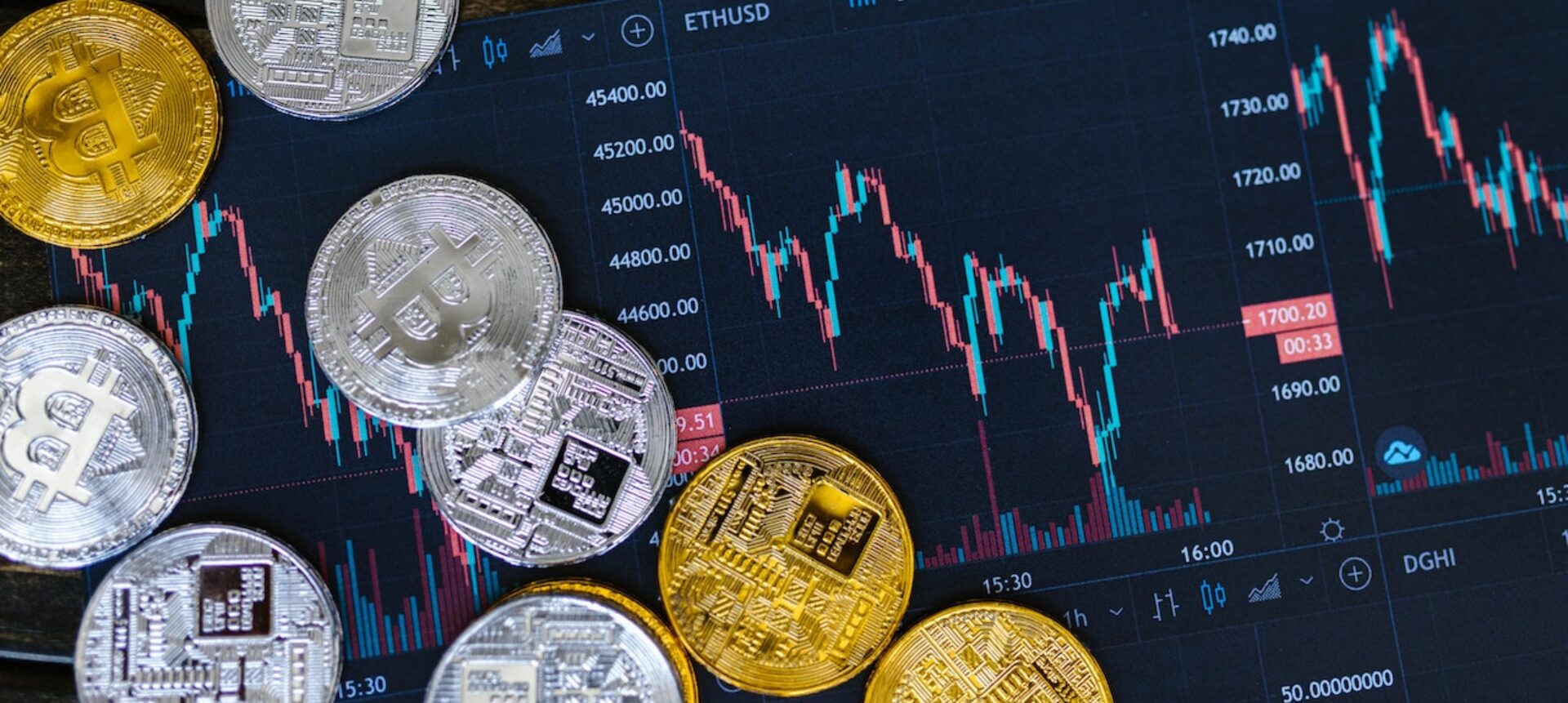
While Bitcoin remains the most prominent and widely recognized cryptocurrency, the world of digital finance is not limited to a single coin. Altcoins, or alternative cryptocurrencies, have emerged as viable alternatives to Bitcoin, offering unique features, use cases, and investment opportunities. In this article, we will explore altcoins and delve into the diverse landscape of these digital assets.
Altcoins refer to any cryptocurrency that is not Bitcoin. They can differ significantly from Bitcoin in terms of underlying technology, purpose, governance, and functionality. Altcoins aim to address perceived limitations of Bitcoin or introduce innovative features that cater to specific niches or industries.
One popular category of altcoins is based on the Bitcoin codebase with modifications or improvements. Examples include Litecoin (LTC), which offers faster block generation and transaction confirmation times compared to Bitcoin, and Bitcoin Cash (BCH), which focuses on increasing scalability and improving transaction speed.
Another category of altcoins consists of platforms that enable the creation of decentralized applications (DApps) and smart contracts, similar to Ethereum. Ethereum itself is often considered an altcoin in the broader context of cryptocurrencies. However, within the world of altcoins, platforms like Cardano (ADA), Solana (SOL), and Polkadot (DOT) have gained attention for their unique approaches to scalability, security, and interoperability.
Privacy-focused altcoins have also gained popularity. Cryptocurrencies like Monero (XMR) and Zcash (ZEC) offer enhanced privacy features, such as obfuscating transaction details and hiding the identities of the parties involved. These privacy features appeal to individuals seeking increased anonymity and confidentiality in their financial transactions.
Stablecoins represent another category of altcoins. Unlike volatile cryptocurrencies like Bitcoin, stablecoins aim to maintain a stable value by pegging their price to a fiat currency, such as the U.S. dollar or a basket of assets. Tether (USDT), USD Coin (USDC), and Dai (DAI) are examples of stablecoins that provide stability and serve as a bridge between the world of cryptocurrencies and traditional financial systems.
Altcoins have also emerged with specific use cases in mind. For example, Ripple (XRP) focuses on facilitating fast and low-cost international money transfers, targeting the remittance market. Chainlink (LINK) aims to connect smart contracts with real-world data and APIs, enabling the execution of contracts based on external information. These altcoins demonstrate the diverse range of applications that cryptocurrencies can offer beyond basic currency functions.
Investing in altcoins presents an opportunity for diversification within the cryptocurrency market. While Bitcoin remains the dominant force, altcoins offer investors a chance to explore different projects, technologies, and potential growth opportunities. However, it’s important to note that altcoin investments come with their own risks. The market for altcoins is highly volatile, and not all projects will succeed in the long term. Thorough research, due diligence, and understanding of the project’s fundamentals are crucial before considering any altcoin investment.
The growth and adoption of altcoins are also influenced by regulatory considerations. Different countries have varying approaches to cryptocurrency regulations, and some altcoins may face stricter scrutiny due to their specific features or use cases. It is important for altcoin projects to navigate these regulatory landscapes effectively to ensure compliance and foster trust among users and investors.
Furthermore, the success of altcoins is closely tied to their communities and the development teams behind them. A strong and active community, coupled with continuous innovation and updates from the development team, can contribute to the long-term viability and success of an altcoin project. Community engagement, transparency, and regular communication are vital factors for altcoin projects seeking to establish trust and attract users and investors.
Altcoins represent a diverse and dynamic sector within the cryptocurrency ecosystem. These alternative cryptocurrencies offer unique features, use cases, and investment opportunities beyond Bitcoin. From platforms enabling DApps and smart contracts to privacy-focused coins and stablecoins, altcoins cater to various niches and industries. However, investors should approach altcoin investments with caution, conducting thorough research and understanding the associated risks. The altcoin market continues to evolve, and with continuous innovation, regulatory clarity, and community support, the potential for growth and adoption remains promising.