The world of cryptocurrencies, while promising and revolutionary, has also become a breeding ground for scams and fraud. Due to the relative anonymity and decentralized nature of cryptocurrencies, bad actors have found various ways to exploit unsuspecting individuals. To stay safe in the crypto space, it’s crucial to be informed about common scams and take steps to protect yourself. In this article, we’ll explore some prevalent cryptocurrency scams and offer tips on how to safeguard your digital assets.
- Ponzi Schemes:
Ponzi schemes promise high, guaranteed returns on investments. They pay earlier investors with the capital of newer investors, creating the illusion of a profitable venture. These schemes inevitably collapse when there are not enough new investors to pay the returns.
How to Stay Safe:
Be skeptical of any investment offering guaranteed, unusually high returns.
Conduct thorough research on investment opportunities and their organizers.
Avoid investments that promise consistent daily returns.
- Phishing Scams:
Phishing scams involve tricking individuals into revealing their private keys or personal information. Scammers create fake websites, emails, or social media profiles that mimic legitimate platforms or organizations. Victims unknowingly share sensitive information, which is then used to access their wallets.
How to Stay Safe:
Double-check website URLs for authenticity before entering personal information.
Be cautious of unsolicited emails or social media messages requesting sensitive data.
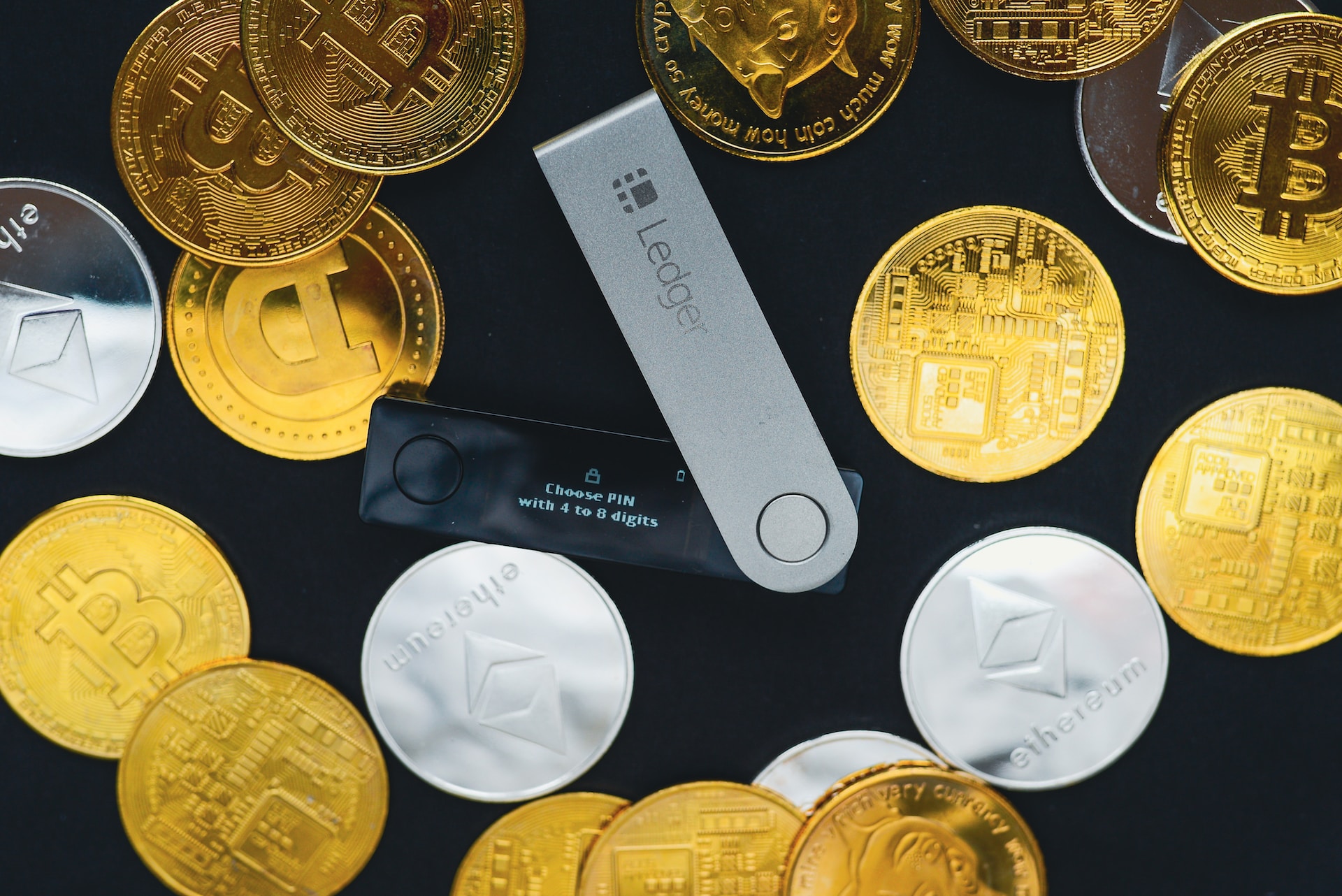
Use hardware wallets for added security.
- Fake Exchanges:
Scammers create fake cryptocurrency exchanges or trading platforms that appear legitimate. Users deposit funds into these platforms, but the scammers run away with the money or manipulate trades to generate losses for users.
How to Stay Safe:
Verify the legitimacy of an exchange by checking reviews and doing research.
Be wary of exchanges that offer bonuses or promotions that seem too good to be true.
Use established and reputable exchanges for trading.
- Pump and Dump Schemes:
In pump and dump schemes, a group artificially inflates the price of a cryptocurrency by spreading false or exaggerated information. Once the price has risen significantly, the fraudsters sell off their holdings, causing the price to plummet and leaving other investors with losses.
How to Stay Safe:
Exercise caution when trading based on tips from unknown sources.
Conduct thorough research before investing in any cryptocurrency.
Avoid buying into assets with rapid, unsustainable price increases.
- Impersonation Scams:
Scammers impersonate influential figures in the cryptocurrency space, like crypto celebrities or project founders, to deceive users. They use fake social media accounts, emails, or websites to solicit cryptocurrency donations or investments.
How to Stay Safe:
Verify the authenticity of social media accounts, email addresses, or websites.
Never send cryptocurrency to anyone without proper verification.
Be cautious of unsolicited investment opportunities.
- Multi-Level Marketing (MLM) Schemes:
MLM schemes involve recruiting others into a cryptocurrency investment or trading program. These schemes often require a significant upfront investment and promise large returns for bringing in new members. Profits primarily come from recruitment rather than actual trading.
How to Stay Safe:
Avoid cryptocurrency schemes that emphasize recruitment over actual trading.
Be skeptical of programs that require substantial upfront investments.
Conduct research to ensure the program is legitimate.
- Wallet Scams:
Scammers create fake wallet apps and websites to steal cryptocurrency funds. Users are tricked into downloading and using these wallets, unknowingly giving the scammers access to their assets.
How to Stay Safe:
Download wallets from official sources or trusted app stores.
Research wallets to ensure they are reputable and secure.
Double-check wallet addresses before sending cryptocurrency.
- ICO and Token Sale Scams:
Initial Coin Offerings (ICOs) and token sales can be targets for scams. Scammers create fake ICOs, asking users to invest in nonexistent projects or tokens. After collecting funds, they disappear.
How to Stay Safe:
Carefully research ICO projects and their teams.
Verify the authenticity of ICO websites and addresses.
Be cautious of ICOs that promise guaranteed returns or pressure you to invest quickly.
- Regulatory Scams:
Scammers pose as regulators or government officials and contact cryptocurrency users, demanding payments to resolve alleged legal issues or tax liabilities. They threaten legal action or arrest to coerce victims into paying.
How to Stay Safe:
Verify the identity of individuals claiming to represent regulators.
Confirm the legitimacy of any legal claims or tax demands.
Consult a legal professional if you’re unsure about the legitimacy of a request.
- Educate Yourself:
One of the most effective ways to protect yourself from scams is to educate yourself about common cryptocurrency frauds and best practices. Staying informed and cautious can go a long way in ensuring your safety in the crypto space.
Cryptocurrency scams are a real threat in the crypto space, but by staying vigilant, doing your research, and exercising caution, you can significantly reduce the risk of falling victim to these schemes. Remember that the adage “if it’s too good to be true, it probably is” holds true in the cryptocurrency world. Always prioritize the security of your assets and verify the legitimacy of any cryptocurrency opportunity before investing your time or money.