Crypto Coinosity

Cryptocurrency information

Tag Archive : cryptocurrency exchange

Central Bank Digital Currencies (CBDCs): Exploring Government-Backed Cryptos

Central Bank Digital Currencies (CBDCs) are digital forms of a country’s fiat currency, issued and regulated by the central bank. These digital currencies are often seen as a modern response to the evolving landscape of money and payments. In this article, we’ll explore what CBDCs are, their potential benefits and challenges, and their impact on the financial and technological world.

Understanding CBDCs:

CBDCs are a digital representation of a nation’s currency that are backed by the central bank. They differ from cryptocurrencies like Bitcoin, which are decentralized and not tied to a specific government or central authority. CBDCs aim to combine the advantages of digital currencies, such as instant and secure transactions, with the stability and trust of traditional fiat currencies.

Key Characteristics of CBDCs:

Centralized Issuance: CBDCs are issued, regulated, and controlled by the central bank or monetary authority of a country. This centralization provides a level of control and stability.

Legal Tender: CBDCs are considered legal tender, just like physical cash or digital bank deposits. This means they can be used for a wide range of transactions and are recognized as an official form of payment.

Digital Form: CBDCs exist in digital form and are typically stored in electronic wallets. They can be used for online transactions, peer-to-peer transfers, and in-person payments through digital devices.

Backed by Reserves: CBDCs are often fully backed by the central bank’s reserves. This backing ensures the stability and value of the digital currency.

Potential Benefits of CBDCs:

Financial Inclusion: CBDCs can extend access to financial services to those who are unbanked or underbanked, providing a secure and efficient means for them to store and transfer funds.

Reduced Transaction Costs: CBDCs can lower transaction costs, especially for cross-border transactions, by simplifying the settlement process and reducing the need for intermediaries.

Enhanced Security: CBDCs can provide a high level of security, reducing the risk of counterfeiting and fraud compared to physical cash.

Monetary Policy Tools: Central banks can use CBDCs as a tool for implementing monetary policies more effectively by directly controlling the money supply.

Payment Efficiency: CBDCs offer faster and more efficient payment systems, reducing settlement times and enhancing the overall efficiency of the financial system.

Challenges and Considerations:

Privacy Concerns: The use of CBDCs may raise privacy concerns, as central banks can potentially track and monitor all transactions. Striking a balance between privacy and security is a key challenge.

Cybersecurity Risks: CBDCs are vulnerable to cybersecurity threats, and central banks must invest in robust security measures to protect digital assets.

Impact on Commercial Banks: CBDCs could affect the business models of commercial banks, potentially reducing their role as intermediaries in the financial system.

Cross-Border Implications: The use of CBDCs for cross-border transactions may require international cooperation and agreements to ensure interoperability and regulatory compliance.

Financial Stability: CBDCs may have implications for financial stability, and central banks must carefully manage their issuance to avoid adverse effects.

Implementation Challenges: Developing the necessary infrastructure and technology for CBDCs can be complex and costly.

Examples of CBDC Initiatives:

Several countries have already made significant progress in developing and testing CBDCs:

China: The People’s Bank of China has been testing the Digital Currency Electronic Payment (DCEP) system in various cities. The DCEP is designed to replace physical cash in circulation.

Sweden: The Riksbank, Sweden’s central bank, has been exploring the e-krona, a digital version of the national currency, to address the decline in cash usage.

Bahamas: The Central Bank of The Bahamas has introduced the Sand Dollar, a digital version of the Bahamian dollar, as an official payment method.

European Union: The European Central Bank is actively researching and discussing the potential issuance of a digital euro.

Central Bank Digital Currencies represent an evolution in the world of money and payments. While they offer several benefits, they also present challenges that need to be carefully addressed. As more countries explore the development of CBDCs, the landscape of finance and transactions is likely to undergo significant changes. The success and impact of CBDCs will depend on how effectively they can provide secure and efficient digital alternatives to traditional currencies while balancing privacy and regulatory considerations.

Cryptocurrency Scams and Fraud: How to Stay Safe in the Crypto Space

The world of cryptocurrencies, while promising and revolutionary, has also become a breeding ground for scams and fraud. Due to the relative anonymity and decentralized nature of cryptocurrencies, bad actors have found various ways to exploit unsuspecting individuals. To stay safe in the crypto space, it’s crucial to be informed about common scams and take steps to protect yourself. In this article, we’ll explore some prevalent cryptocurrency scams and offer tips on how to safeguard your digital assets.

  1. Ponzi Schemes:

Ponzi schemes promise high, guaranteed returns on investments. They pay earlier investors with the capital of newer investors, creating the illusion of a profitable venture. These schemes inevitably collapse when there are not enough new investors to pay the returns.

How to Stay Safe:

Be skeptical of any investment offering guaranteed, unusually high returns.
Conduct thorough research on investment opportunities and their organizers.
Avoid investments that promise consistent daily returns.

  1. Phishing Scams:

Phishing scams involve tricking individuals into revealing their private keys or personal information. Scammers create fake websites, emails, or social media profiles that mimic legitimate platforms or organizations. Victims unknowingly share sensitive information, which is then used to access their wallets.

How to Stay Safe:

Double-check website URLs for authenticity before entering personal information.
Be cautious of unsolicited emails or social media messages requesting sensitive data.
Use hardware wallets for added security.

  1. Fake Exchanges:

Scammers create fake cryptocurrency exchanges or trading platforms that appear legitimate. Users deposit funds into these platforms, but the scammers run away with the money or manipulate trades to generate losses for users.

How to Stay Safe:

Verify the legitimacy of an exchange by checking reviews and doing research.
Be wary of exchanges that offer bonuses or promotions that seem too good to be true.
Use established and reputable exchanges for trading.

  1. Pump and Dump Schemes:

In pump and dump schemes, a group artificially inflates the price of a cryptocurrency by spreading false or exaggerated information. Once the price has risen significantly, the fraudsters sell off their holdings, causing the price to plummet and leaving other investors with losses.

How to Stay Safe:

Exercise caution when trading based on tips from unknown sources.
Conduct thorough research before investing in any cryptocurrency.
Avoid buying into assets with rapid, unsustainable price increases.

  1. Impersonation Scams:

Scammers impersonate influential figures in the cryptocurrency space, like crypto celebrities or project founders, to deceive users. They use fake social media accounts, emails, or websites to solicit cryptocurrency donations or investments.

How to Stay Safe:

Verify the authenticity of social media accounts, email addresses, or websites.
Never send cryptocurrency to anyone without proper verification.
Be cautious of unsolicited investment opportunities.

  1. Multi-Level Marketing (MLM) Schemes:

MLM schemes involve recruiting others into a cryptocurrency investment or trading program. These schemes often require a significant upfront investment and promise large returns for bringing in new members. Profits primarily come from recruitment rather than actual trading.

How to Stay Safe:

Avoid cryptocurrency schemes that emphasize recruitment over actual trading.
Be skeptical of programs that require substantial upfront investments.
Conduct research to ensure the program is legitimate.

  1. Wallet Scams:

Scammers create fake wallet apps and websites to steal cryptocurrency funds. Users are tricked into downloading and using these wallets, unknowingly giving the scammers access to their assets.

How to Stay Safe:

Download wallets from official sources or trusted app stores.
Research wallets to ensure they are reputable and secure.
Double-check wallet addresses before sending cryptocurrency.

  1. ICO and Token Sale Scams:

Initial Coin Offerings (ICOs) and token sales can be targets for scams. Scammers create fake ICOs, asking users to invest in nonexistent projects or tokens. After collecting funds, they disappear.

How to Stay Safe:

Carefully research ICO projects and their teams.
Verify the authenticity of ICO websites and addresses.
Be cautious of ICOs that promise guaranteed returns or pressure you to invest quickly.

  1. Regulatory Scams:

Scammers pose as regulators or government officials and contact cryptocurrency users, demanding payments to resolve alleged legal issues or tax liabilities. They threaten legal action or arrest to coerce victims into paying.

How to Stay Safe:

Verify the identity of individuals claiming to represent regulators.
Confirm the legitimacy of any legal claims or tax demands.
Consult a legal professional if you’re unsure about the legitimacy of a request.

  1. Educate Yourself:

One of the most effective ways to protect yourself from scams is to educate yourself about common cryptocurrency frauds and best practices. Staying informed and cautious can go a long way in ensuring your safety in the crypto space.

Cryptocurrency scams are a real threat in the crypto space, but by staying vigilant, doing your research, and exercising caution, you can significantly reduce the risk of falling victim to these schemes. Remember that the adage “if it’s too good to be true, it probably is” holds true in the cryptocurrency world. Always prioritize the security of your assets and verify the legitimacy of any cryptocurrency opportunity before investing your time or money.

Cryptocurrency Market Analysis: Tools and Techniques for Predicting Price Movements

Cryptocurrency markets are known for their extreme volatility, making price prediction a challenging but essential aspect of trading and investment. While it’s important to note that predicting cryptocurrency prices with absolute certainty is virtually impossible due to the complex and highly speculative nature of the market, there are several tools and techniques that traders and analysts use to gain insights into potential price movements. In this article, we will explore some of the key methods and tools for cryptocurrency market analysis.

  1. Technical Analysis:

Technical analysis involves the study of historical price charts, trading volumes, and various technical indicators to forecast future price movements. Here are some essential components of technical analysis:

Candlestick Charts: These charts provide valuable information about price trends, with each candlestick representing a specific time frame’s open, high, low, and close prices.

Support and Resistance Levels: Analysts identify levels at which an asset’s price tends to find support (stops declining) or resistance (struggles to move higher). These levels can be used to set entry and exit points.

Moving Averages: Moving averages smooth out price data to identify trends. Common moving averages include the simple moving average (SMA) and the exponential moving average (EMA).

Relative Strength Index (RSI): The RSI measures the speed and change of price movements, helping identify overbought or oversold conditions.

Fibonacci Retracement: This tool is used to identify potential support and resistance levels based on key Fibonacci ratios.

  1. Fundamental Analysis:

Fundamental analysis involves evaluating the intrinsic value of a cryptocurrency by assessing factors such as:

Team and Technology: Evaluate the project’s team, their expertise, and the underlying technology’s capabilities.

Adoption and Partnerships: Consider the level of adoption and any significant partnerships that could drive demand.

Market Demand: Analyze the real-world use case and demand for the cryptocurrency. Is it solving a genuine problem or serving a specific niche?

Regulatory Environment: Regulatory changes can significantly impact a cryptocurrency’s value, so staying informed about relevant regulations is crucial.

  1. Sentiment Analysis:

Sentiment analysis involves gauging market sentiment and social media activity to understand how traders and investors feel about a particular cryptocurrency. Tools and techniques for sentiment analysis include:

Social Media Monitoring: Tracking mentions and discussions about a cryptocurrency on platforms like Twitter, Reddit, and Telegram can provide insights into market sentiment.

News Analysis: Monitor news articles and headlines related to the cryptocurrency to gauge how news events are impacting sentiment.

Sentiment Indicators: Some platforms provide sentiment indicators that summarize market sentiment, such as the Crypto Fear & Greed Index.

  1. On-Chain Analysis:

On-chain analysis involves studying blockchain data to gain insights into network activity. Key metrics for on-chain analysis include:

Transaction Volume: Examining the number and size of transactions can reveal increased or decreased network activity.

Active Addresses: Tracking the number of active addresses can indicate increased user adoption and network usage.

Whale Activity: Monitoring the activity of large holders (whales) can provide insights into potential market movements.

  1. Machine Learning and AI:

Machine learning and artificial intelligence (AI) are increasingly used in cryptocurrency price prediction. These methods can analyze vast amounts of historical data and identify patterns that may be challenging for humans to recognize.

Time Series Analysis: Machine learning models can be used to analyze time series data to predict future price movements.

Deep Learning: Deep learning techniques, such as recurrent neural networks (RNNs) and convolutional neural networks (CNNs), can be used to analyze complex data sets.

  1. Quantitative Analysis:

Quantitative analysis involves using mathematical models and statistical techniques to analyze cryptocurrency price data. Quantitative analysts often develop their own trading algorithms based on historical data and market indicators.

  1. Technical Alerts and Signals:

Various trading platforms and tools offer technical alerts and signals generated by algorithms. Traders can use these signals as indicators for potential buy or sell opportunities.

  1. Historical Price Patterns:

Studying historical price patterns, such as head and shoulders, double bottoms, and triangles, can provide insights into potential future price movements.

  1. Economic Indicators:

Some traders consider traditional economic indicators, such as interest rates, inflation rates, and economic growth, when making cryptocurrency price predictions. These indicators can influence overall market sentiment.

  1. Backtesting and Simulation:

Before implementing a trading strategy, it’s essential to backtest it using historical data to assess its effectiveness. Simulation tools allow traders to see how a strategy would have performed in the past.

Cryptocurrency market analysis is a multifaceted process that combines technical, fundamental, sentiment, and on-chain analysis. While these tools and techniques can provide valuable insights into potential price movements, it’s important to remember that the cryptocurrency market is highly speculative and subject to sudden and unpredictable changes. Risk management, discipline, and a well-defined trading strategy are essential for success in cryptocurrency trading. Additionally, always stay informed about the latest developments in the cryptocurrency space, as external factors can have a significant impact on market dynamics.

Cryptocurrency Trading Strategies: Tips for Success in the Volatile Market

Cryptocurrency trading has gained immense popularity over the past decade, driven by the potential for substantial profits in a volatile and rapidly evolving market. However, it’s important to recognize that cryptocurrency trading carries inherent risks due to its price volatility. To succeed in this dynamic landscape, traders must develop effective strategies and exercise caution. In this article, we’ll explore some essential cryptocurrency trading strategies and tips for success in this ever-changing market.

  1. Educate Yourself:

Before you start trading cryptocurrencies, it’s crucial to gain a deep understanding of the market, blockchain technology, and the specific cryptocurrencies you plan to trade. Continuous learning is essential, as the cryptocurrency landscape is constantly evolving.

  1. Start with a Plan:

Having a well-defined trading plan is critical. Your plan should include your trading goals, risk tolerance, entry and exit points, and a clear strategy for managing your portfolio. Avoid making impulsive decisions based on emotions.

  1. Risk Management:

Risk management is one of the most important aspects of successful trading. Only invest what you can afford to lose, and diversify your portfolio to spread risk. Use stop-loss orders to limit potential losses, and avoid over-leveraging (excessive borrowing) in margin trading.

  1. Technical Analysis:

Technical analysis involves studying historical price charts and trading volumes to make informed trading decisions. Technical indicators such as moving averages, Relative Strength Index (RSI), and Fibonacci retracement levels can help identify trends and potential entry and exit points.

  1. Fundamental Analysis:

Fundamental analysis involves evaluating the underlying factors that may affect the value of a cryptocurrency. This includes assessing the project’s team, technology, adoption, partnerships, and market demand. Fundamental analysis can be particularly useful for long-term investments.

  1. Choose the Right Exchange:

Select a reputable cryptocurrency exchange that offers a user-friendly interface, high liquidity, and robust security measures. Ensure the exchange you choose complies with regulatory requirements in your jurisdiction.

  1. Keep Emotions in Check:

Emotional trading can lead to impulsive decisions and losses. Fear and greed are common emotions that can influence trading behavior. Stick to your trading plan and avoid making decisions based on short-term market fluctuations.

  1. Dollar-Cost Averaging (DCA):

Dollar-cost averaging is a strategy where you regularly invest a fixed amount of money into a cryptocurrency, regardless of its price. This strategy can help mitigate the impact of market volatility over time and reduce the risk of making poor timing decisions.

  1. Stay Informed:

Stay up-to-date with the latest news and developments in the cryptocurrency space. Market sentiment can be heavily influenced by news events, regulatory changes, and technological advancements.

  1. Use Secure Wallets:

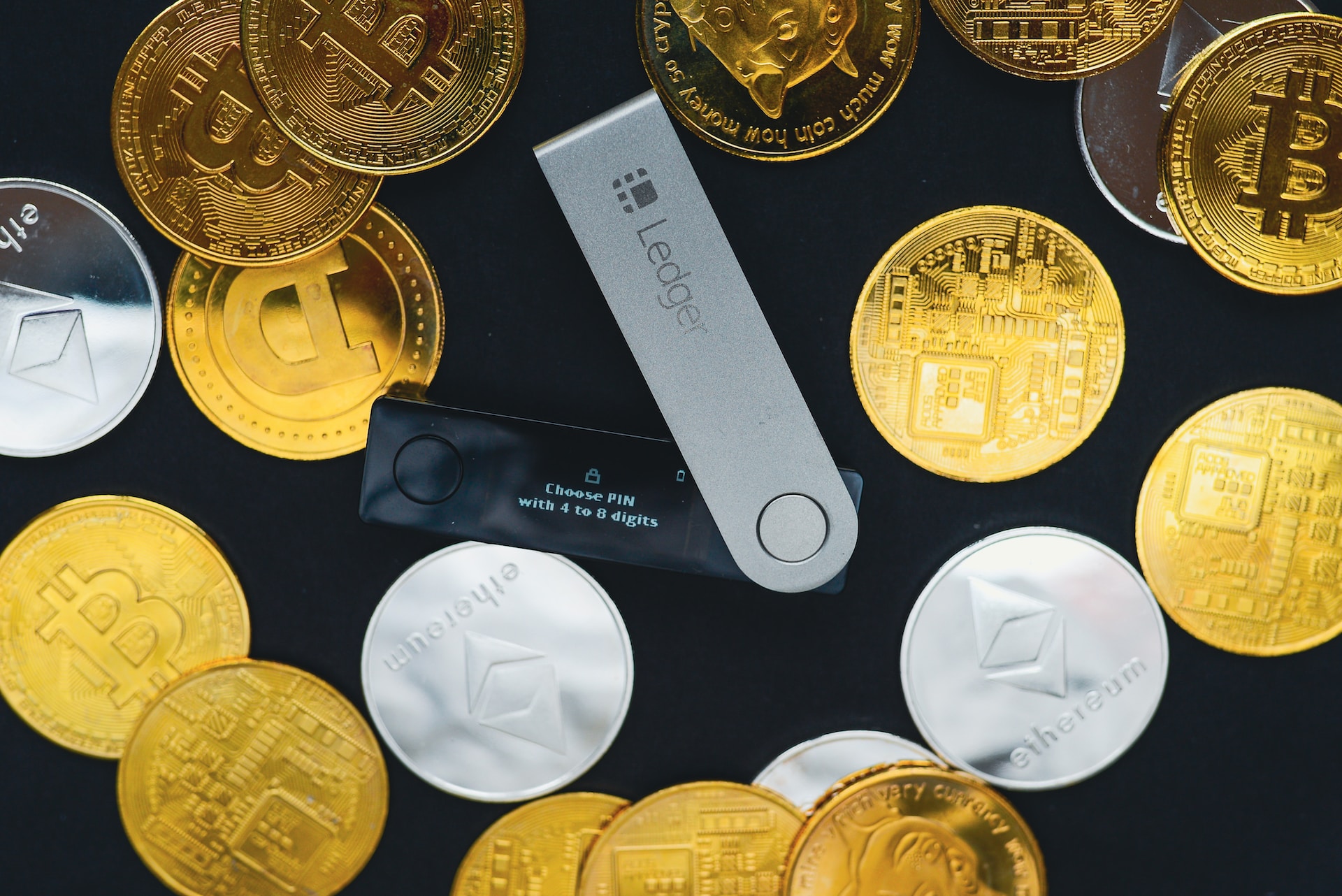
If you’re holding cryptocurrencies for the long term, consider using secure hardware wallets to store your assets offline. This provides an extra layer of protection against hacking and theft.

  1. Avoid Pump-and-Dump Schemes:

Be wary of schemes promising quick and guaranteed profits. Many scams and pump-and-dump schemes exist in the crypto space. Always conduct thorough research before investing in a project or following trading signals.

  1. Practice Patience:

Cryptocurrency markets can be highly volatile, with prices experiencing rapid fluctuations. It’s important to exercise patience and avoid chasing quick gains. Stick to your trading plan and long-term goals.

  1. Tax Compliance:

Understand the tax implications of your cryptocurrency trades in your jurisdiction. Keep accurate records of your transactions, as you may be required to report and pay taxes on your crypto gains.

  1. Continuous Improvement:

The cryptocurrency market is continuously evolving, and trading strategies that worked in the past may not be as effective in the future. Stay open to adapting and improving your strategies as market conditions change.

  1. Beware of FOMO and FUD:

FOMO (Fear of Missing Out) and FUD (Fear, Uncertainty, Doubt) can lead to irrational trading decisions. Don’t succumb to hype or panic. Base your decisions on sound analysis and your trading plan.

Cryptocurrency trading offers both opportunities and risks. Success in this volatile market requires a disciplined approach, continuous learning, and prudent risk management. By developing a well-defined trading strategy, staying informed, and adhering to best practices, you can increase your chances of achieving success as a cryptocurrency trader while minimizing potential losses. Remember that the crypto market can be highly unpredictable, so always trade responsibly and with caution.

Cryptocurrency Taxation: Guidelines for Reporting Crypto Transactions

As the popularity of cryptocurrencies continues to grow, tax authorities around the world are adapting to ensure that individuals and businesses properly report their crypto-related activities. Cryptocurrency transactions, whether buying, selling, trading, or mining, can have tax implications that vary depending on your jurisdiction. In this article, we will explore the basics of cryptocurrency taxation, guidelines for reporting crypto transactions, and the importance of staying compliant with tax regulations.

Understanding Cryptocurrency Taxation:

Cryptocurrency taxation involves the reporting of gains, losses, and other transactions involving digital assets for tax purposes. The complexity of crypto taxation arises from the unique characteristics of cryptocurrencies—digital, decentralized, and often anonymous—making it crucial to understand the rules and regulations in your country.

Key Tax Considerations:

Capital Gains Tax:
Many countries treat cryptocurrency as property, subjecting gains and losses to capital gains tax. This means that any profit made from selling or trading cryptocurrencies is considered taxable income. Short-term gains (held for less than a year) and long-term gains (held for over a year) may be taxed at different rates.

Income Tax:
If you receive cryptocurrency as payment for goods, services, or as part of a mining operation, it is considered income and is subject to income tax. The value of the cryptocurrency at the time of receipt determines the taxable amount.

Gifts and Donations:
Gifting or donating cryptocurrencies can also have tax implications. The donor may be subject to gift tax if the value exceeds a certain threshold, and the recipient may need to report the gift as income.

Mining and Staking:
Cryptocurrency mining and staking are considered taxable activities in many jurisdictions. The value of the mined or staked coins at the time of receipt is usually subject to taxation.

Forks and Airdrops:
When a cryptocurrency undergoes a hard fork or an airdrop occurs, resulting in new tokens being received, the new tokens may have taxable value. Determining the value and timing of taxation can be complex.

Guidelines for Reporting Crypto Transactions:

Keep Detailed Records:
Accurate record-keeping is essential for crypto taxation. Maintain records of all transactions, including dates, amounts, counterparties, and the value of the cryptocurrency at the time of each transaction.

Calculate Gains and Losses:
To calculate gains and losses, you need to determine the cost basis (the original purchase price) and the sale price of the cryptocurrency. The difference between these values is your gain or loss.

Use Tax Software:
There are various tax software tools available that can help you track and calculate your crypto transactions. These tools can simplify the process of determining your tax liabilities.

Consult a Professional:
Given the complexity of cryptocurrency taxation, it’s advisable to consult a tax professional who is knowledgeable about cryptocurrency regulations in your jurisdiction. They can provide personalized advice and help you navigate the nuances of reporting crypto transactions.

Staying Compliant:

Self-Reporting:
Many tax authorities expect individuals to self-report their crypto transactions. This means that it’s your responsibility to accurately report your crypto-related activities on your tax return.

Cryptocurrency Exchanges:
Exchanges are often required to provide information to tax authorities about user transactions. Some tax authorities require exchanges to provide user data, which can be used to cross-reference your reported transactions.

Penalties for Non-Compliance:
Failing to report crypto transactions accurately can lead to penalties, fines, or even legal action. It’s in your best interest to stay informed and compliant with tax regulations.

Global Variations:

Cryptocurrency taxation regulations vary widely from country to country. Here are a few examples:

United States: The IRS treats cryptocurrencies as property for tax purposes. Capital gains tax applies to the sale or exchange of cryptocurrencies, and each transaction must be reported.

United Kingdom: Cryptocurrency transactions are subject to capital gains tax. If an individual’s gains exceed the annual tax-free allowance, they must report and pay tax on the excess.

Germany: Cryptocurrencies held for over a year are tax-free, while those held for under a year are subject to capital gains tax. The use of cryptocurrencies as a means of payment is not subject to VAT.

Cryptocurrency taxation is a complex and evolving field that requires careful attention and compliance. Failing to properly report crypto transactions can result in significant penalties and legal consequences. To navigate this landscape successfully, it’s essential to keep detailed records, consult with tax professionals, and stay informed about the tax regulations specific to your jurisdiction. By staying compliant, you can enjoy the benefits of cryptocurrencies while avoiding potential legal and financial pitfalls.

Cryptocurrency Wallets: Storing and Managing Your Digital Assets

Cryptocurrency wallets play a fundamental role in the world of digital currencies, enabling users to securely store, manage, and transact their crypto holdings. Unlike traditional wallets, cryptocurrency wallets don’t store physical coins or bills. Instead, they store the private keys that provide access to the ownership and management of digital assets on the blockchain. In this article, we will delve into the different types of cryptocurrency wallets, their functionalities, security measures, and best practices for safe storage.

Understanding Cryptocurrency Wallets:

Cryptocurrency wallets are digital tools that allow users to interact with the blockchain, enabling them to send, receive, and store cryptocurrencies. These wallets come in various forms, each catering to different user preferences, security requirements, and usage scenarios.

Types of Cryptocurrency Wallets:

Software Wallets:

Desktop Wallets: These wallets are installed and run on a personal computer. They offer direct control over your private keys and are accessible only from the device on which they are installed. Examples include Electrum (Bitcoin) and Exodus (multi-currency).

Mobile Wallets: Mobile wallets are apps designed for smartphones. They offer convenience and accessibility, allowing users to manage their digital assets on the go. Popular mobile wallets include Trust Wallet and Coinbase Wallet.

Online Wallets:

Web Wallets: Web wallets are accessed through a browser and store your private keys on the provider’s server. While they offer convenience, they can be less secure due to potential vulnerabilities associated with online storage. Examples include MyEtherWallet and MetaMask.
Hardware Wallets:

Hardware wallets: These are physical devices that store your private keys offline, providing enhanced security by isolating your keys from internet-connected devices. Popular hardware wallets include Ledger Nano S and Trezor.
Paper Wallets:

Paper wallets: Paper wallets involve generating a paper containing your private and public keys. It is a cold storage option that keeps your keys offline, reducing the risk of online threats. However, they require careful handling to avoid physical damage or loss.
Brain Wallets:

Brain wallets: Brain wallets derive your private keys from a passphrase that you memorize. While this seems convenient, it’s also risky, as passphrase strength is crucial. Weak passphrases can be easily cracked by attackers.
Functionality and Security:

Private and Public Keys:
A cryptocurrency wallet generates and manages your private and public keys. The private key is your digital signature that allows you to access and control your funds on the blockchain. The public key is your wallet’s address, which others use to send cryptocurrencies to you.

Security Measures:

Seed Phrase: Many wallets generate a seed phrase (also known as a recovery phrase or mnemonic phrase) when you create a wallet. This series of words serves as a backup for your private keys. It’s crucial to keep this phrase safe and offline, as anyone with access to it can access your funds.

Two-Factor Authentication (2FA): Some wallets offer an extra layer of security through 2FA, requiring a secondary authentication method (like a code sent to your phone) in addition to your password.

Regular Updates:
Ensure that you keep your wallet software and firmware up to date. Developers often release updates to patch security vulnerabilities and improve the overall functionality.

Best Practices for Safe Storage:

Diversify Wallets:
Consider using a combination of wallet types for different purposes. For instance, keep a majority of your funds in a hardware wallet for security and use a mobile wallet for day-to-day transactions.

Backup Regularly:
Regularly back up your wallet, especially if your wallet uses a seed phrase. Store backups in secure locations, such as encrypted USB drives or offline storage.

Beware of Phishing:
Be cautious of phishing attempts that aim to trick you into revealing your private keys or recovery phrases. Only use official wallet websites and trusted sources.

Offline Storage:
If you’re not actively trading, consider storing a significant portion of your holdings in cold storage options like hardware wallets or paper wallets.

Cryptocurrency wallets are essential tools for anyone involved in the world of digital currencies. They provide the means to securely store, manage, and transact cryptocurrencies. Choosing the right wallet type and implementing security best practices are crucial steps to safeguard your valuable digital assets. Whether you opt for convenience with a software wallet, enhanced security with a hardware wallet, or a combination of both, understanding the nuances of cryptocurrency wallets empowers you to make informed decisions and navigate the exciting and evolving landscape of cryptocurrencies.

Stablecoins: Cryptocurrencies with Stable Values

In the world of cryptocurrencies, volatility is a common characteristic. Prices of popular cryptocurrencies like Bitcoin and Ethereum can experience wild fluctuations in short periods, making them attractive for traders but challenging for everyday users and businesses seeking stability. To address this issue, stablecoins have emerged as a category of cryptocurrencies designed to maintain a stable value relative to a reference asset or a basket of assets. In this article, we will explore what stablecoins are, how they work, their different types, and their significance in the crypto ecosystem.

What are Stablecoins?

Stablecoins are a type of cryptocurrency that seeks to minimize price volatility by pegging their value to a stable asset, typically a fiat currency like the US Dollar (USD), a commodity like gold, or other cryptocurrencies. The aim is to provide a more predictable store of value and a medium of exchange for users, making stablecoins more suitable for everyday transactions, remittances, and smart contract use cases.

What are Stablecoins? What is Tether?

How do Stablecoins Work?

There are several mechanisms used to maintain the stability of stablecoins:

Fiat-Collateralized Stablecoins: Some stablecoins are backed by a reserve of traditional fiat currency, typically held in a bank account or a trusted custodian. For example, for every unit of stablecoin issued, there will be an equivalent amount of fiat currency stored in reserve. This backing gives holders confidence that the stablecoin will maintain its value as it is redeemable for the underlying fiat currency.

Crypto-Collateralized Stablecoins: Other stablecoins are backed by a reserve of other cryptocurrencies, such as Ethereum or Bitcoin. These stablecoins utilize smart contracts to lock up a value of the collateral cryptocurrency that is equal to the value of the stablecoin issued. If the stablecoin’s value starts to deviate from its peg, the smart contract can be programmed to trigger mechanisms to bring it back to the desired value, such as by selling the excess collateral or issuing new stablecoins.

Algorithmic Stablecoins: Algorithmic stablecoins do not rely on any external collateral but instead use algorithms and smart contracts to adjust the supply of the stablecoin in response to changes in demand. For instance, if the demand for the stablecoin increases, the algorithm may issue new stablecoins or increase interest rates for holders to incentivize holding. On the other hand, if the demand decreases, the algorithm may reduce the supply or decrease interest rates to encourage spending.

Types of Stablecoins:

USD-Backed Stablecoins: These stablecoins are pegged to the value of the US Dollar, meaning that one unit of the stablecoin represents one US Dollar. Popular examples include Tether (USDT), USD Coin (USDC), and TrueUSD (TUSD). These stablecoins are widely used in cryptocurrency trading and as a store of value in times of high volatility.

Cryptocurrency-Backed Stablecoins: Some stablecoins are backed by other cryptocurrencies, like Ethereum or Bitcoin. These stablecoins maintain their stability by holding a reserve of the backing cryptocurrency and using smart contracts to manage the peg. Examples include DAI, which is backed by a collateralized debt position (CDP) of Ethereum, and sUSD, which is backed by a reserve of other cryptocurrencies.

Algorithmic Stablecoins: Algorithmic stablecoins are not backed by any external collateral and instead rely on sophisticated algorithms to adjust their supply in response to demand. Examples include Ampleforth (AMPL) and Terra (LUNA). The value of these stablecoins can fluctuate slightly around their target price to maintain stability.

Significance of Stablecoins:

Stablecoins have several significant implications for the cryptocurrency ecosystem and the broader financial landscape:

Price Stability: Stablecoins provide users with a predictable store of value and a medium of exchange without the price volatility associated with other cryptocurrencies. This stability is crucial for everyday transactions and for businesses seeking to hedge against cryptocurrency price fluctuations.

Crypto-to-Fiat On/Off Ramps: Stablecoins act as bridges between the cryptocurrency and traditional financial worlds. They enable users to easily transfer value between fiat currencies and cryptocurrencies, facilitating faster and cheaper cross-border transactions.

Decentralized Finance (DeFi) Applications: Stablecoins are essential components of the DeFi ecosystem. They serve as the primary medium of exchange for lending, borrowing, and other financial services within DeFi platforms, enabling users to participate in decentralized financial activities with reduced exposure to cryptocurrency price risk.

Financial Inclusion: Stablecoins have the potential to enhance financial inclusion, particularly in regions with volatile local currencies and limited access to traditional banking services. Users can access stablecoins and participate in the global economy without relying on centralized financial intermediaries.

Central Bank Digital Currencies (CBDCs): Stablecoins have sparked interest and discussions around the development of Central Bank Digital Currencies (CBDCs). CBDCs are digital versions of national fiat currencies issued by central banks, offering a regulated and controlled alternative to privately issued stablecoins.

Challenges and Concerns:

Despite their benefits, stablecoins also face challenges and concerns:

Regulatory Scrutiny: Stablecoins have attracted regulatory attention due to concerns about their impact on financial stability, consumer protection, and potential use in illicit activities. Regulators in different jurisdictions are exploring ways to address these concerns and ensure proper oversight of stablecoin issuers.

Transparency and Auditing: Some stablecoins have faced criticism for the lack of transparency and regular auditing of their reserves. Ensuring that stablecoins are adequately backed and that their collateral is held securely is essential to maintaining user confidence.

Smart Contract Risks: Stablecoins that utilize smart contracts are subject to the risk of vulnerabilities and bugs in the code. Exploits in the smart contract could lead to the loss of funds or compromise the stability of the stablecoin.

Stablecoins have emerged as a critical component of the cryptocurrency ecosystem, offering users a more stable and predictable alternative to volatile cryptocurrencies. Their significance extends beyond the crypto space, as they enable faster and cheaper cross-border transactions and play a central role in the growth of decentralized finance (DeFi). However, challenges remain, including regulatory scrutiny and the need for transparency and security in their underlying mechanisms. As the crypto landscape continues to evolve, stablecoins are likely to play an increasingly significant role in reshaping the way we think about and use digital currencies in our daily lives.

NFTs (Non-Fungible Tokens): Understanding the Craze for Digital Collectibles

In recent years, Non-Fungible Tokens (NFTs) have taken the world by storm, revolutionizing the way we perceive and interact with digital assets. From digital art and virtual real estate to music albums and virtual fashion, NFTs have enabled creators and collectors to tokenize and trade unique digital items. In this article, we will explore what NFTs are, their underlying technology, the reasons behind their popularity, and the impact they have on various industries.

What are NFTs?
NFTs are unique cryptographic tokens that represent ownership of a specific asset or piece of content, making each token one-of-a-kind and non-interchangeable. Unlike cryptocurrencies like Bitcoin or Ethereum, which are fungible and can be exchanged on a one-to-one basis, NFTs are indivisible and possess distinct characteristics, metadata, and provenance. This uniqueness is achieved through blockchain technology, which ensures transparency, immutability, and authenticity of NFTs.

NFT Explained In 5 Minutes | What Is NFT? – Non Fungible Token | NFT Crypto Explained | Simplilearn

How do NFTs work?
NFTs are typically built on blockchain platforms that support smart contracts, such as Ethereum. Smart contracts are self-executing contracts with the terms of the agreement directly written into code. These contracts contain the details of the NFT, including its ownership, metadata, and any royalties or licensing agreements associated with the asset.

The creation of an NFT involves minting, which is the process of turning a digital asset into a unique token on the blockchain. Once minted, NFTs can be bought, sold, and traded on various NFT marketplaces. Each transfer of an NFT is recorded on the blockchain, creating a transparent and immutable history of ownership.

What can be tokenized as NFTs?
The versatility of NFTs allows for the tokenization of various digital assets, including but not limited to:

Digital Art: NFTs have gained significant traction in the art world, allowing artists to tokenize their digital artworks and sell them as unique collectibles. NFTs provide a way for artists to prove ownership and authenticity of their creations, while collectors can demonstrate ownership and showcase their digital art collections.

Virtual Real Estate and Gaming Assets: In virtual worlds and blockchain-based games, NFTs represent virtual real estate, in-game items, skins, and other digital assets. These NFTs can be bought, sold, and used in various virtual environments, providing players with true ownership and the ability to trade their digital assets outside of the game.

Music and Videos: Musicians and content creators can tokenize their music albums, songs, and videos as NFTs, allowing fans to own exclusive rights or limited editions of their favorite content. NFTs can also provide creators with a new revenue stream through royalties and licensing agreements encoded in the smart contracts.

Virtual Fashion and Wearables: NFTs are being used to create virtual fashion items and wearables that can be worn in virtual worlds or augmented reality applications. These virtual fashion NFTs offer a new way for users to express themselves and stand out in digital spaces.

The Craze for NFTs: Why are they popular?
Several factors contribute to the popularity of NFTs:

Unique Ownership: NFTs provide a sense of true ownership and exclusivity for digital assets. Owning an NFT means owning a one-of-a-kind item with verifiable authenticity and a transparent ownership history, which is highly appealing to collectors and enthusiasts.

Creator Empowerment: NFTs empower creators by enabling them to tokenize their work and retain control over the use and distribution of their digital assets. This new paradigm allows creators to monetize their work in new and innovative ways, potentially bypassing traditional intermediaries.

Collectibles and Speculation: Similar to traditional collectibles, NFTs appeal to collectors and investors who see potential value and scarcity in unique digital assets. Some NFTs gain significant value over time, leading to speculation and trading within the NFT market.

Social and Cultural Significance: NFTs have become a cultural phenomenon, with high-profile sales and celebrity involvement adding to their allure. The social aspect of owning and showcasing digital collectibles also contributes to their popularity.

Digital Ownership in Virtual Worlds: In virtual worlds and blockchain-based games, NFTs provide a tangible way for players to own and trade digital assets. Virtual real estate, virtual fashion, and in-game items become true assets with real-world value, driving user engagement and economic activity within these virtual ecosystems.

The Impact of NFTs on Various Industries:
NFTs are disrupting multiple industries and opening up new opportunities for creators, investors, and users:

Art and Creativity: NFTs have revolutionized the art world, creating new revenue streams for artists and providing collectors with novel ways to own and display digital art. Traditional art galleries and auction houses are exploring NFT art sales to stay relevant in the digital era.

Gaming and Virtual Worlds: NFTs have transformed the gaming industry, providing players with ownership and value for their in-game assets. Virtual worlds are increasingly adopting NFTs as a way to enhance user engagement and drive virtual economies.

Music and Entertainment: NFTs offer musicians and content creators alternative revenue streams through tokenizing their music, videos, and collectible content. This new approach to content ownership has the potential to reshape the music and entertainment industries.

Fashion and Virtual Wearables: NFTs have entered the world of fashion, with virtual wearables gaining popularity in virtual worlds and metaverses. This intersection of fashion and technology opens up new possibilities for the future of clothing and self-expression.

Intellectual Property and Copyright: The use of smart contracts in NFTs allows creators to encode licensing agreements and royalties into their digital assets. This innovation has implications for copyright management and intellectual property protection in the digital age.

NFTs have captured the imagination of creators, collectors, and investors, revolutionizing the concept of ownership and value in the digital world. By leveraging blockchain technology and smart contracts, NFTs enable unique ownership, creator empowerment, and new economic opportunities across various industries. As the NFT space continues to evolve, it is likely to reshape traditional financial systems, redefine digital ownership, and inspire further innovation in the digital era.

Decentralized Finance (DeFi): Revolutionizing Traditional Financial Systems

Decentralized Finance, or DeFi, has emerged as a revolutionary force in the world of finance. Built on blockchain technology, DeFi aims to transform traditional financial systems by providing open, transparent, and accessible financial services to anyone with an internet connection. In this article, we will explore what DeFi is, its key components and benefits, and its potential to reshape the future of finance.

What is DeFi?
DeFi refers to a set of financial applications and protocols that operate on decentralized networks, primarily utilizing blockchain technology. Unlike traditional financial systems that rely on intermediaries such as banks and brokers, DeFi aims to eliminate these intermediaries and enable peer-to-peer transactions and interactions.

What is DeFi? (Decentralized Finance Animated)

Key Components of DeFi:

Decentralized Applications (dApps): DeFi is powered by decentralized applications, or dApps, which are software programs that run on blockchain networks. These dApps provide various financial services, including lending, borrowing, decentralized exchanges, asset management, and insurance, among others.

Smart Contracts: Smart contracts are self-executing contracts with the terms of the agreement directly written into code. In DeFi, smart contracts automate financial transactions and remove the need for intermediaries. They ensure transparency, immutability, and trust in the execution of transactions and agreements.

Blockchain Technology: DeFi relies on blockchain technology, which provides a decentralized and immutable ledger that records all transactions and interactions within the ecosystem. Blockchains such as Ethereum, Binance Smart Chain, and others serve as the foundation for DeFi applications, enabling secure and transparent financial activities.

Benefits of DeFi:

Accessibility and Financial Inclusion: DeFi opens up financial services to individuals who may not have access to traditional banking systems. With just an internet connection and a cryptocurrency wallet, anyone can participate in DeFi, regardless of their location or financial background.

Transparency and Security: DeFi operates on public blockchains, where all transactions and activities are transparent and can be audited by anyone. This transparency helps build trust among users and reduces the risk of fraudulent activities. Additionally, the use of cryptographic encryption and decentralized architecture enhances the security of DeFi platforms.

Permissionless Innovation: DeFi promotes permissionless innovation, allowing developers to build and launch financial applications without requiring approval from centralized authorities. This fosters an environment of experimentation and creativity, leading to the rapid development of new financial products and services.

Yield Generation and Financial Opportunities: DeFi platforms offer various opportunities for users to earn yield on their digital assets. Through lending, staking, liquidity provision, and yield farming, individuals can put their cryptocurrencies to work and earn returns that may surpass traditional financial instruments.

Challenges and Risks of DeFi:

Smart Contract Risks: While smart contracts provide automation and efficiency, they are not immune to vulnerabilities or bugs. Flaws in smart contract code can be exploited, potentially leading to financial losses. Thorough security audits and code reviews are essential to minimize these risks.

Regulatory Uncertainty: The DeFi ecosystem operates in a regulatory gray area in many jurisdictions. Existing financial regulations may not fully encompass decentralized systems, leading to uncertainty and potential regulatory challenges. As the space evolves, regulatory frameworks may be developed to address DeFi’s unique characteristics.

User Responsibility and Education: DeFi puts the responsibility on users to manage their own digital assets and make informed decisions. This requires a good understanding of the technology, risks, and best practices. Lack of knowledge and user error can result in financial losses, emphasizing the need for education and user-friendly interfaces.

Market Volatility and Liquidity Risks: DeFi platforms often rely on liquidity pools and decentralized exchanges. Market volatility and sudden shifts in liquidity can impact the value of assets and lead to slippage or impermanent loss for users. Risk management strategies and diversification can help mitigate these risks.

The Future of DeFi:
DeFi has the potential to disrupt traditional financial systems and reshape the future of finance. As the ecosystem continues to grow, we can expect increased collaboration, interoperability between different DeFi protocols, and the integration of real-world assets into decentralized systems. The development of layer-two solutions and scalability improvements will also address the scalability challenges currently faced by DeFi platforms.

DeFi represents a paradigm shift in the financial industry, providing accessible, transparent, and innovative financial services. While challenges and risks exist, the benefits of DeFi, including accessibility, transparency, permissionless innovation, and financial opportunities, make it an exciting and transformative space. As the ecosystem evolves and matures, DeFi has the potential to empower individuals, enhance financial inclusion, and reshape the way we think about money and traditional financial systems.

Cryptocurrency Exchanges: Where to Buy, Sell, and Trade Digital Assets

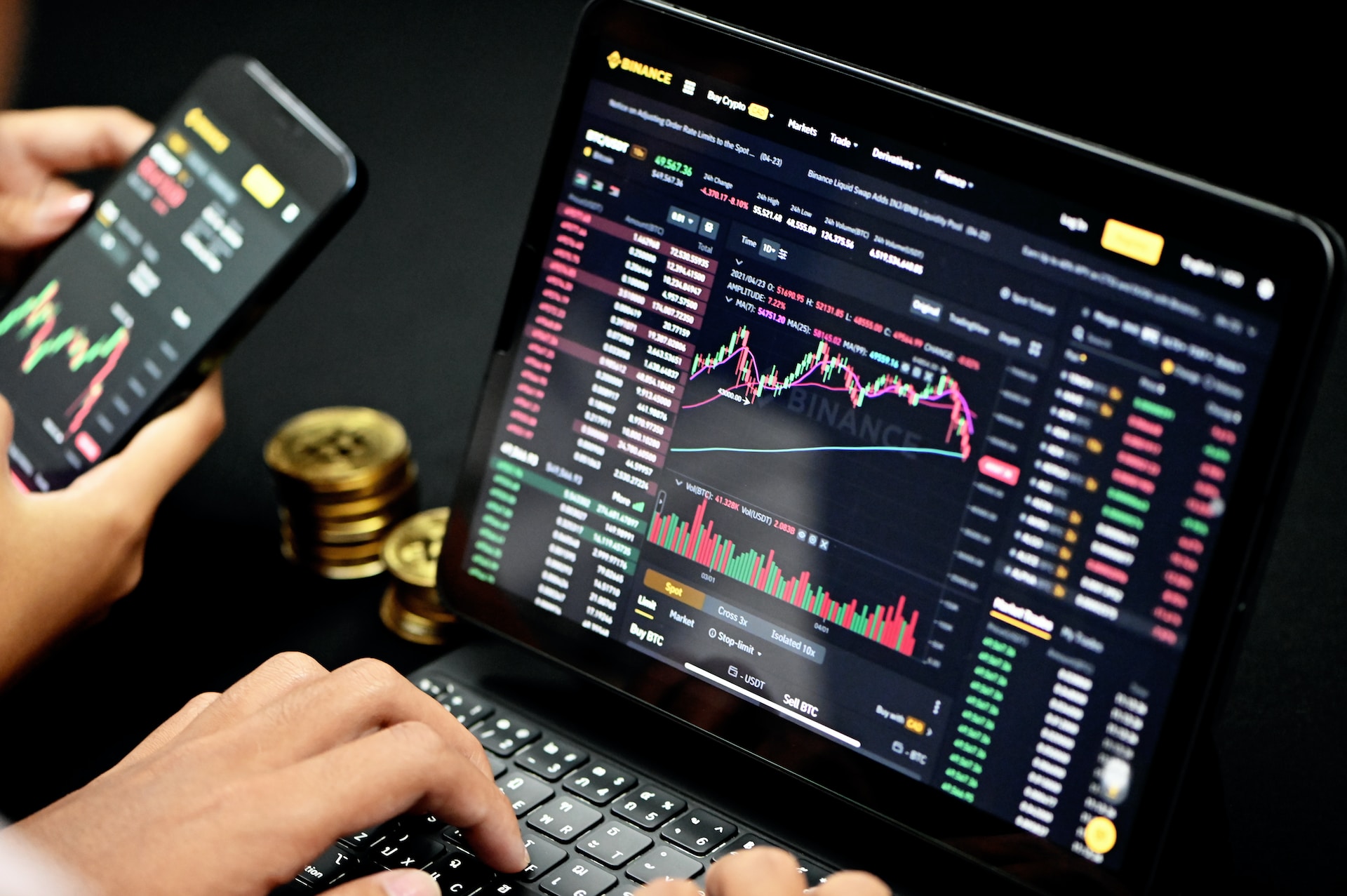
Cryptocurrency exchanges have emerged as the primary platforms for buying, selling, and trading digital assets. These online platforms facilitate the exchange of cryptocurrencies for fiat currencies or other cryptocurrencies, providing individuals and institutions with access to the vibrant and dynamic world of digital finance. In this article, we will explore cryptocurrency exchanges, their functions, and the factors to consider when choosing a platform.

Cryptocurrency exchanges serve as digital marketplaces where buyers and sellers can trade various cryptocurrencies. These exchanges offer users the ability to create accounts, deposit funds, place buy or sell orders, and execute transactions in a secure and efficient manner. They play a pivotal role in the liquidity and price discovery of cryptocurrencies.

There are different types of exchanges, each catering to varying user needs and preferences. Some exchanges operate as centralized platforms, where transactions are facilitated through a single entity that acts as an intermediary between buyers and sellers. Centralized exchanges, such as Coinbase, Binance, and Kraken, provide user-friendly interfaces, advanced trading features, and liquidity across a wide range of cryptocurrencies.

Decentralized exchanges (DEXs), on the other hand, operate on blockchain networks and allow users to trade directly with one another without the need for an intermediary. DEXs, such as Uniswap and PancakeSwap, provide enhanced privacy and control over funds, as transactions occur directly on the blockchain. However, DEXs may have lower liquidity compared to centralized exchanges.

When choosing a cryptocurrency exchange, several factors should be taken into consideration. Security is of utmost importance, as the exchange should employ robust security measures to protect user funds and personal information. Look for exchanges that utilize features such as two-factor authentication (2FA), cold storage for funds, and encryption protocols to ensure a secure trading environment.

Liquidity is another critical factor. High liquidity ensures that there is sufficient trading volume on the exchange, enabling users to easily buy or sell their cryptocurrencies at competitive prices. Exchanges with larger user bases and partnerships with market makers tend to have better liquidity.

The range of available cryptocurrencies is also important. Different exchanges support different cryptocurrencies, so it’s essential to choose an exchange that offers the digital assets you wish to trade. Major exchanges typically provide a wide selection of cryptocurrencies, including popular ones like Bitcoin (BTC), Ethereum (ETH), and Litecoin (LTC), as well as emerging altcoins.

Trading features and tools vary among exchanges. Some platforms offer basic market and limit order functionality, while others provide advanced trading options like stop-loss orders, margin trading, and futures contracts. Consider your trading style and requirements when selecting an exchange.

Fees and transaction costs are significant considerations as well. Exchanges typically charge fees for executing trades, depositing or withdrawing funds, and other services. Fee structures can vary, so it’s important to understand the fee schedule of an exchange and assess its impact on your trading activities.

User experience and interface design are also worth considering. A well-designed and intuitive user interface makes navigating the exchange platform more convenient and efficient. Look for exchanges that offer mobile applications, as they provide flexibility and accessibility for trading on the go.

Regulatory compliance and reputation are vital aspects to evaluate. Choose exchanges that adhere to legal and regulatory requirements in the jurisdictions they operate in. Exchanges with a solid reputation, transparent operations, and a track record of security and reliability inspire trust among users.

It’s also worth considering the customer support and available resources provided by the exchange. Reliable customer support can be crucial when encountering issues or seeking assistance. Additionally, exchanges that offer educational materials, market analysis, and trading guides can be valuable for both novice and experienced traders.

In recent years, regulatory frameworks around cryptocurrency exchanges have become more defined in some jurisdictions. Compliance with these regulations helps to ensure the safety of users’ funds and fosters trust in the industry. However, it’s important to note that regulations may vary from country to country, and not all exchanges are available in every region.

Cryptocurrency exchanges are instrumental in facilitating the buying, selling, and trading of digital assets. They provide individuals and institutions with access to a wide range of cryptocurrencies, liquidity, and trading features. When choosing an exchange, factors such as security, liquidity, supported cryptocurrencies, fees, user experience, regulatory compliance, and customer support should be carefully considered. Conducting thorough research and due diligence is essential to find a reliable and suitable exchange that meets your specific trading needs.