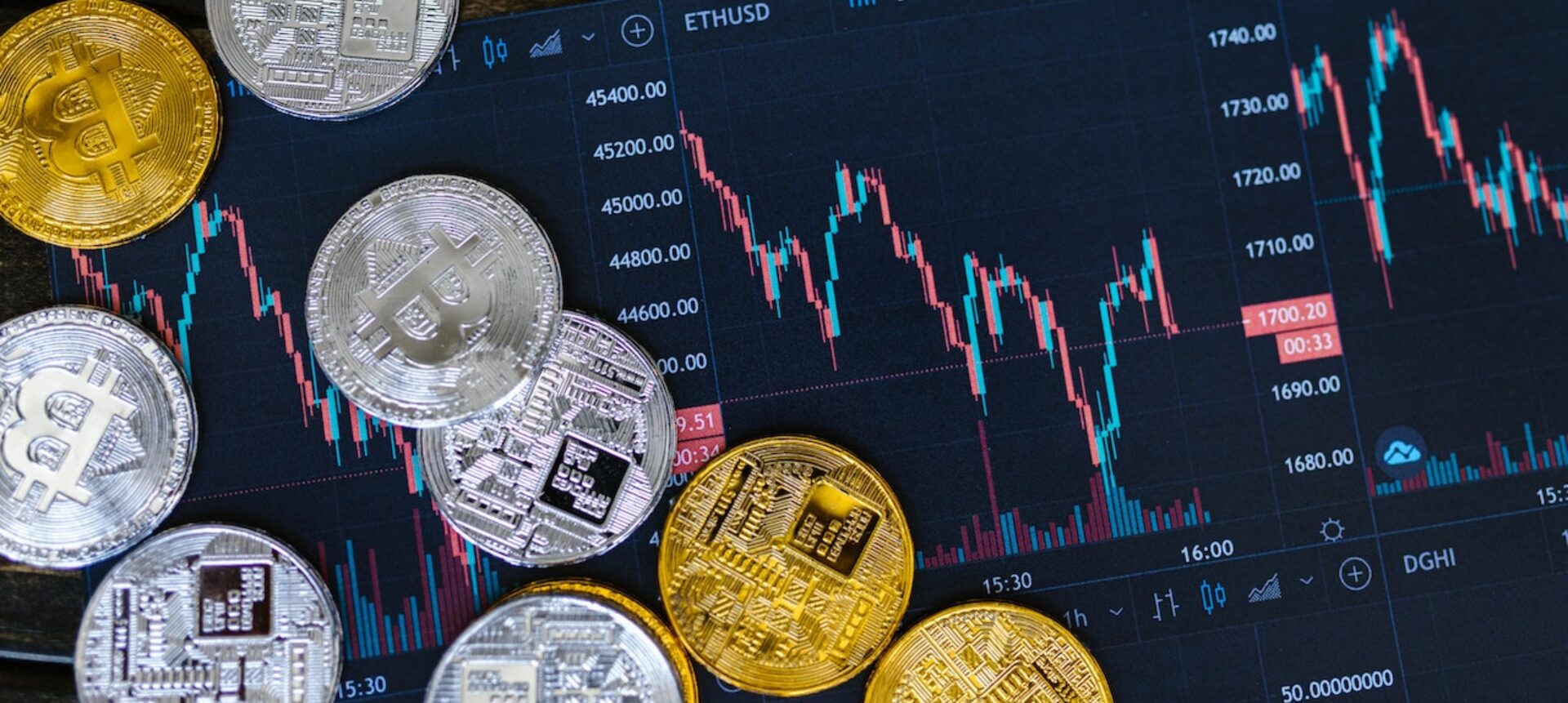

As the popularity of cryptocurrencies continues to grow, it is crucial to prioritize security and privacy to safeguard your digital assets. Cryptocurrencies offer unique advantages such as decentralization, transparency, and financial autonomy, but they also come with potential risks. In this article, we will explore the importance of security and privacy in the cryptocurrency space and discuss best practices for protecting your digital assets.
Secure Wallets:
A cryptocurrency wallet is a digital tool used to store and manage your digital assets. There are different types of wallets, including hardware wallets, software wallets, and online wallets. Hardware wallets, such as Ledger and Trezor, offer offline storage and enhanced security, making them a popular choice for long-term asset storage. Software wallets, like Exodus and Electrum, run on your computer or mobile device and are convenient for daily transactions. Online wallets, or web wallets, are accessible through a web browser and should be used with caution due to potential security vulnerabilities. Choose a wallet that aligns with your needs and ensure it has robust security features, like encryption and multi-factor authentication, to protect your private keys.
Strong Passwords and Two-Factor Authentication (2FA):
Creating a strong and unique password is essential for securing your cryptocurrency accounts. Avoid using easily guessable passwords and consider using a password manager to generate and store complex passwords securely. Additionally, enable two-factor authentication (2FA) whenever possible. 2FA adds an extra layer of security by requiring a second verification method, such as a code sent to your mobile device, in addition to your password.
Beware of Phishing Attempts:
Phishing attempts are prevalent in the cryptocurrency space. Attackers may try to trick you into revealing your sensitive information or login credentials through fraudulent emails, websites, or social media messages. Always double-check the authenticity of the websites you visit and be cautious of unsolicited communication asking for personal information or login details. Use official links or bookmarks to access cryptocurrency platforms, and enable browser extensions that block known phishing websites.
Keep Software Up to Date:
Regularly updating your software, including your operating system, web browsers, and cryptocurrency wallets, is crucial for maintaining security. Updates often include security patches that address vulnerabilities discovered by developers. Set up automatic updates or regularly check for updates manually to ensure you have the latest security measures in place.
Be Mindful of Public Wi-Fi:
Public Wi-Fi networks can be insecure, making it easier for hackers to intercept your internet traffic and potentially gain access to your cryptocurrency accounts. Avoid accessing sensitive information or making transactions while connected to public Wi-Fi networks. If you need to access your accounts on the go, consider using a virtual private network (VPN) to encrypt your internet connection and protect your data.
Diversify Your Investments:
Diversifying your cryptocurrency investments is a prudent strategy to mitigate risk. By spreading your investments across different cryptocurrencies, you reduce the impact of a single asset’s performance on your overall portfolio. Diversification can also include investing in different types of cryptocurrencies, such as established cryptocurrencies like Bitcoin and Ethereum, as well as promising altcoins with potential growth. However, always conduct thorough research before investing and be mindful of the associated risks.
Privacy Considerations:
While cryptocurrencies provide pseudonymity, they are not entirely anonymous. Transactions on the blockchain are transparent and can be traced back to their origin. If privacy is a concern, consider using privacy-focused cryptocurrencies like Monero or Zcash that offer enhanced privacy features, such as stealth addresses and shielded transactions. Additionally, be cautious about sharing your public wallet addresses, as they can be used to track your transaction history.
Regularly Monitor Your Accounts:
Stay vigilant by regularly monitoring your cryptocurrency accounts and transaction history. Keep an eye out for any suspicious activity or unauthorized transactions. Setting up notifications or alerts can help you stay informed about any account activity in real-time.
Cold Storage for Long-Term Storage:
Consider utilizing cold storage options for long-term asset storage. Cold storage refers to keeping your private keys offline, away from internet-connected devices. Hardware wallets or paper wallets provide secure cold storage solutions. By keeping your private keys offline, you reduce the risk of being exposed to online threats or hacking attempts.
Educate Yourself:
Continuously educate yourself about the latest security practices and developments in the cryptocurrency space. Stay updated on news related to security breaches or vulnerabilities in popular platforms and wallets. Engage with the cryptocurrency community, join forums, and follow reputable sources of information to enhance your knowledge and stay informed.
Prioritizing security and privacy is crucial when dealing with cryptocurrencies. By implementing best practices such as using secure wallets, strong passwords, enabling 2FA, being cautious of phishing attempts, keeping software up to date, and diversifying your investments, you can enhance the protection of your digital assets. Additionally, understanding privacy considerations, regularly monitoring your accounts, utilizing cold storage, and staying educated will help you navigate the evolving landscape of cryptocurrency security and safeguard your valuable digital assets.